If you’d happily spend all day with animals, there are plenty of jobs that let you. Some need a degree, some a TAFE course, and some you can start while you’re still at school. Here are the main options, what they involve and how to get into them.
What are animal jobs?
Animal jobs are any jobs that involve caring for animals or protecting them: treating them when they’re sick, training them, looking after pets while their owners are away, studying how they behave or protecting their habitats. Our agriculture, animals and environment page has the employers and pathways.
Animal jobs that need study
These take a degree or a TAFE course, so it’s worth planning early. Pay is what people typically earn a week working full-time, from Your Career (ABS figures from May 2023).
Veterinarian
Vets diagnose and treat sick and injured animals, from family pets to farm animals and wildlife. You need a degree in veterinary science, which takes around five to seven years (VetVoice), and vets must be registered. They typically earn $1,862 a week (Your Career), and vets are in shortage in every state and territory (2026 Occupation Shortage List).
Veterinary nurse
Vet nurses care for animals before and after surgery, help vets with treatment and look after animals staying in the clinic. You usually need a Certificate III or IV in veterinary nursing, and some people train through a traineeship (Your Career). Vet nurses are in shortage in every state and territory too.
Quick check
Which of these animal jobs is in shortage in every state and territory?
Vet nurses, and vets too, are on the 2026 Occupation Shortage List in every state and territory.
Animal nutritionist
Animal nutritionists work out what animals should eat to stay healthy, from pets to farm animals. You’ll usually need a degree in animal science or a related field.
Wildlife conservationist
Conservationists help animals thrive in their natural habitats. The work is varied: protecting endangered species, regenerating bushland, testing soil, helping prevent bushfires and teaching the public about wildlife. Steve Irwin and his family, Jane Goodall and Sir David Attenborough are some of the best-known names in the field. Most roles need a degree, often in environmental science, marine biology or wildlife biology.
Zoologist and zookeeper
Zoologists study animals and can specialise in areas like insects (entomology), birds (ornithology) or animal behaviour (ethology). You’ll need a science degree majoring in zoology (Open Universities Australia). Zookeepers look after the animals at zoos and wildlife parks, usually with a university or TAFE qualification in animal science or captive animals, and typically earn $1,280 a week (Your Career).
For any of these, work experience or volunteering at an animal shelter, zoo, wildlife park or sanctuary will strengthen your application.
Animal jobs you can start now
You don’t have to wait for a course to start working with animals.
Pet sitter
When pet owners go away, they need someone to feed, walk and look after their animals. You don’t need experience beyond caring for your own pet. Ask family and friends, or check community noticeboards for people looking for a sitter.
Dog walker
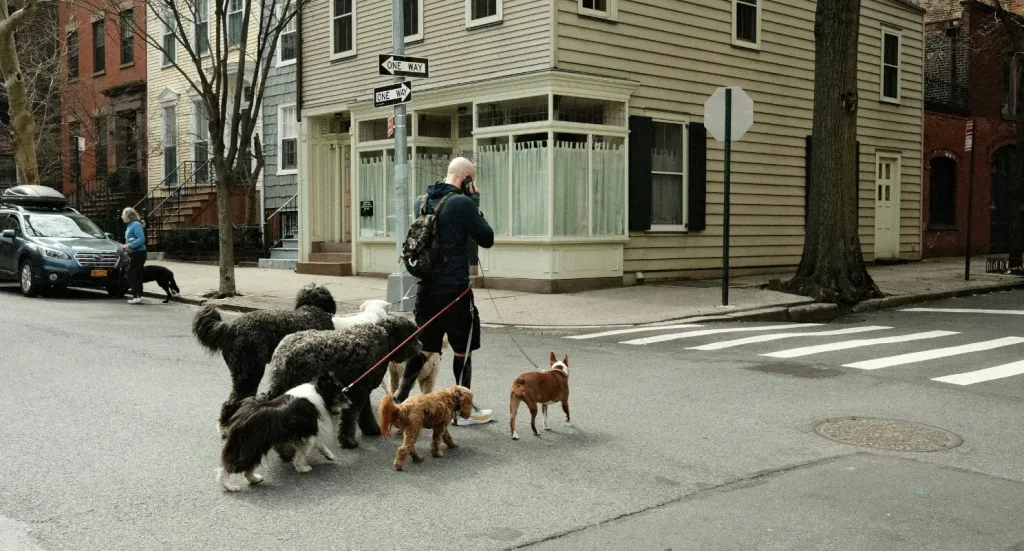
Dog walking keeps you active and fits around school. As you get more experienced you can take more dogs at once, and some people turn it into their own business. If you want to go further, dog handlers and trainers typically earn $1,280 a week full-time, and a TAFE course in dog training can help (Your Career).
Not quite right?
Take our free career quiz for ideas that suit you, or if books are your other love, try these book jobs.