Let’s face it: walking into your very first proper job interview is terrifying. Your palms are sweaty, you’re trying to remember how to sit like a normal human, and you’re convinced they’re going to find out you have zero professional experience.
But here’s a massive secret from the people who actually do the hiring: they want you to do well.
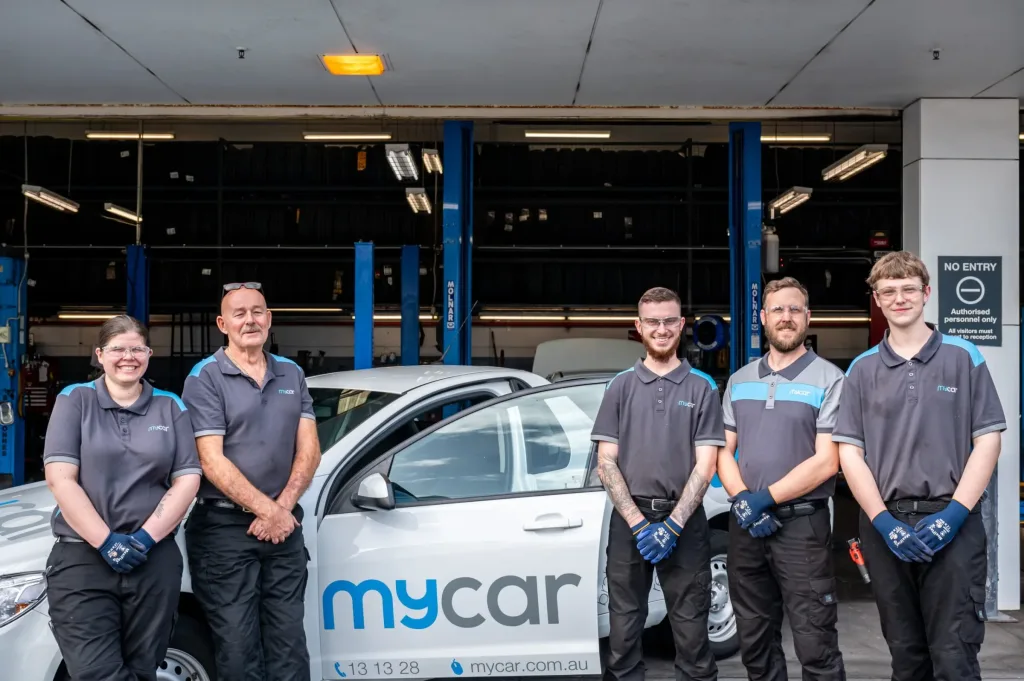
We sat down with Nicole Spencer from mycar, one of Australia’s absolute biggest employers of apprentice motor mechanics, to get the raw, unfiltered truth on what actually matters when you’re trying to land your first job. Whether you’re looking to get on the tools in a workshop or just trying to survive your first corporate chat, here is how to skip the stress and stand out.
Nerves are just proof that you care
If your heart is racing before an interview, don’t panic. According to Nicole, that’s actually a green flag.
“It’s completely okay to be nervous. It’s expected, and it just means you care. Be yourself, and we can look past the nerves.”
The Hack: Don’t try to memorise a script. Instead, jot down a few questions you want to ask them on a notepad, and bring it into the room with you. Yes, you’re totally allowed to check your notes. It doesn’t look unprofessional, it just looks prepared.
Remember, an interview isn’t an interrogation. It’s a two-way street. You’re interviewing them just as much as they’re interviewing you to see if the culture actually fits what you want.
What to say when your resume is completely blank
The ultimate catch-22: you need experience to get a job, but you need a job to get experience. How do you talk about your skills when you’ve never had a boss?
Easy. You pull from real life. Nicole says recruiters aren’t expecting a massive corporate history from young applicants. They want to see who you are.
You can use examples from:
- School projects: Shows you can hit a deadline.
- Sports teams: Proves you know how to work with others and actually show up on time.
- Hobbies or creative projects: Demonstrates dedication and a willingness to improve.
If you can show you’re reliable, honest, and can work in a team, you’ve already checked the biggest boxes.
Master the “STAR” method (without sounding robotic)
When an interviewer says, “Tell me about a time when things went wrong,” don’t just ramble. Use the STAR framework to keep your answer tight and punchy:
- S – Situation: Set the scene quickly. (“Last year, our footy team was short three players for the grand final…”)
- T – Task: What needed to happen? (“We had to restructure our positions on the fly…”)
- A – Action: What did you specifically do? (“I stepped up to play in defence even though I’d never done it before…”)
- R – Result: What was the outcome or what did you learn? (“We lost by a goal, but I learned how to adapt quickly under pressure.”)
It gives your story a beginning, middle, and end so the recruiter doesn’t lose track of what you’re saying.
The absolute easiest red flags to avoid
You don’t need a university degree to avoid the common traps that ruin an interview before it even starts. Nicole highlights a few basic mistakes that happen way too often:
- Short, one-word answers: Don’t make the recruiter drag information out of you like a dentist pulling teeth. Avoid simple “yes” or “no” responses. Come ready to chat.
- The “Why” factor: If they ask why you want to work there, saying “I just need money” is a mood, but it won’t get you hired. Know what the company does and have a genuine reason why you want to be there. Be really clear on your “why” so you can show your passion for the job.
- Trash-talking: Never speak negatively about your old school, past teachers, or teammates. Keep it positive. If something was tough, talk about the silver lining and what you learned from it instead.
- First impressions start early: You’re being assessed before you even sit down in the interview room. Be polite to the receptionist, show up slightly early, and bring a positive presence from the second you walk through the door.
Want to get on the tools?
If you’re looking at a trade, like a mycar automotive apprenticeship, the standards are clear. Because an apprenticeship is a four-year commitment, they aren’t looking for someone who already knows how to rebuild an engine. They can teach you the technical skills.
What they can’t teach is attitude.
They are looking for people who possess a genuine passion for the industry, an eagerness to learn, and strong teamwork skills. At mycar, everything is built around a “people first” culture. If you show up with an honest mindset, a reliable track record, and a willingness to take feedback on board, you’re exactly who they are looking to build into their next generation of leaders.
Ready to start your path? Check out mycar’s current openings, work experience programs, and school-based apprenticeships here to see where you can plug your skills in.