
Industry
Science & Research
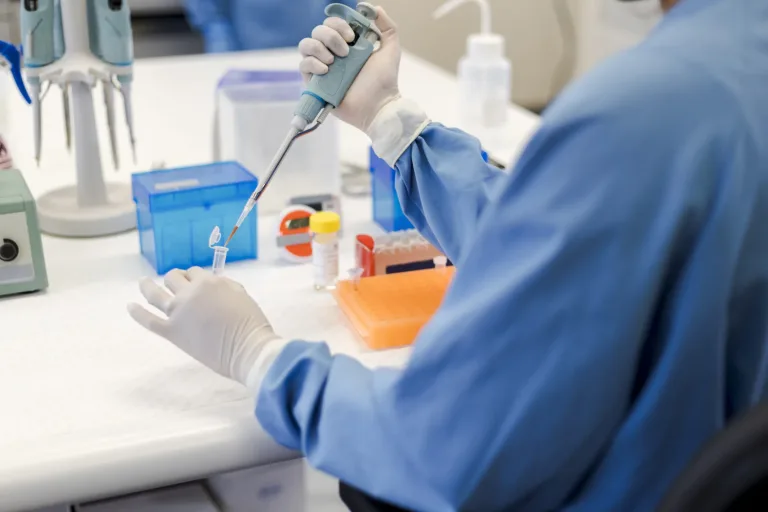
Scientists test blood samples so doctors can make a diagnosis, check drinking water and food are safe, study rocks and weather, and turn data into answers. They work in labs and in the field, for pathology companies, food makers, water authorities and mines.

- Most common start
- Uni degree or lab certificate
- Typical training
- Science degree, or TAFE for lab work
- Pay once qualified
- $1,322 to $2,618 a week, full-time, depending on the job
- Job outlook
- Growing 9.2% more jobs in scientific research by May 2030
You might like this if you…
- Keep asking why until you get an answer
- Like careful, hands-on work
- Enjoy biology, chemistry, physics or earth science
- Like finding patterns in data
- Want work that helps people’s health or the environment
- Would be happy outdoors as well as in a lab
Areas of work
There’s more to Science & Research than the jobs most people picture.
-
Health and pathology
Pathology collector · Medical laboratory technician · Medical laboratory scientist
-
Water and environment
Environmental scientist · Hydrologist · Water quality scientist · Conservation officer
-
Food and chemistry
Food technologist · Chemist · Chemistry technician
-
Earth, space and weather
Geologist · Geophysicist · Meteorologist · Physicist
-
Data and maths
Statistician · Data analyst · Data scientist
-
Teaching and sharing science
Science teacher · University lecturer · Patents examiner
From the Career Hub
Guides and real stories about working in Science & Research.



Where these figures come from
Figures come from official sources and were last checked in October 2026. Pay and job numbers are national, so they can differ where you live.
Not sure this is you?
Take the quiz and we’ll suggest industries that match what you’re into, plus employers you could work for. It takes about 3 minutes.
Take the career quiz