Ever wondered how your favourite snack gets from the factory to the shop shelf? That’s the supply chain: everything that happens between sourcing the ingredients and getting the finished product to you. Every business that makes or sells things needs people to run it, so supply chain jobs turn up in almost every industry.
“End-to-end” means the whole chain, from start to finish. Here are the main parts of it, what each job involves, what you could study and the skills that help.
What is the supply chain?
Think of it as a network of jobs that work together to get products to customers, from buying raw materials to making sure customers are happy. That’s why it suits so many different people. If you like solving problems, organising things, working with people or working with data, there’s a role for you.
Procurement
Procurement is buying the raw materials, parts and services a business needs. It means finding suppliers, negotiating contracts and making sure everything arrives on time and on budget. If you like striking a good deal and being smart with money, this could be the job for you.
Useful study:
- Business, commerce or economics
- Supply chain management
- Procurement and contract management
Skills that help:
- Negotiation and communication
- Market research and decision-making
- Attention to detail
Operations and manufacturing
This is where raw materials become finished products. Operations teams plan production, manage stock and check that everything meets quality standards, and they’re always looking for ways to do it better. It suits people who like improving how things work.
Useful study:
- Engineering or manufacturing
- Operations management
- Lean Six Sigma (a process improvement certification)
Skills that help:
- Improving processes
- Leadership and teamwork
- Attention to detail
Logistics and transport
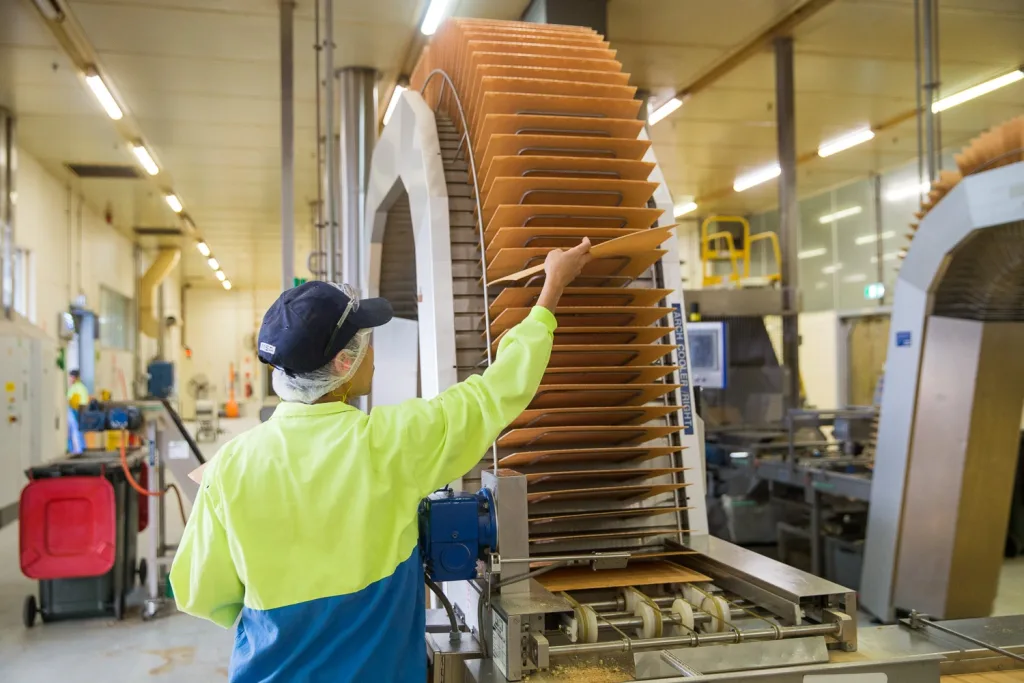
Logistics is about getting goods from one place to another: running warehouses, planning transport routes and making sure deliveries turn up on time. If you love planning and organising, you’d fit right in.
Useful study:
- Logistics and supply chain management
- Transport and freight management
- Business administration
Skills that help:
- Coordination and time management
- Solving problems under pressure
- Data analysis and planning
Demand planning and forecasting
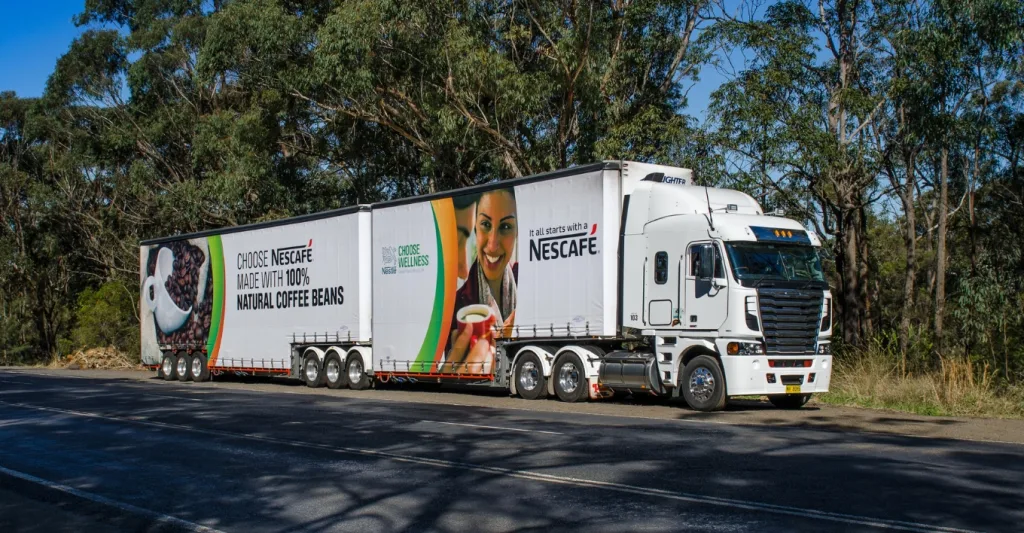
Demand planners predict what customers will want, and when, so the business makes and stocks the right amount. They look at sales history, market trends and how customers behave. If you like data and spotting patterns, this one’s worth a look.
Useful study:
- Business analytics
- Economics
- Supply chain and operations
Skills that help:
- Analysing and interpreting data
- Problem-solving and critical thinking
- Market research
Supplier relationship management
A business is only as reliable as its suppliers. Supplier relationship managers look after those partnerships: checking how suppliers are performing, negotiating contracts and working together to fix problems. It suits people who are good with people and good at negotiating.
Useful study:
- Business and commerce
- Supply chain management
- Negotiation and contract management
Skills that help:
- Building relationships and negotiating
- Quality control and risk assessment
- Attention to detail
Customer service
The supply chain doesn’t stop when the product is delivered. Customer service teams answer questions, sort out problems and keep customers happy, which takes clear communication, patience and a cool head.
It can also be a good way to start a career in supply chain, because you see how the whole chain fits together.
Useful study:
- Business and customer experience
- Communication and public relations
- Retail and operations management
Skills that help:
- Communication and listening
- Resolving conflicts and solving problems
- Adapting and juggling several tasks
Why work in supply chain?
- Lots of choice: supply chain jobs exist in almost every industry, so you can move between industries and specialties as your interests change.
- A global outlook: many supply chains cross borders, so you could work with suppliers and teams overseas.
- Problem-solving every day: there’s always something to fix, from a late delivery to a shortage of stock.
- Teamwork: you’ll work with people right across the business, from finance to the factory floor.
- Real impact: a well-run supply chain cuts waste and costs, and you can see the difference you make.
Want to see who’s hiring? Our transport and logistics page has the jobs, the pathways in and the employers on Explore Careers, including some with supply chain graduate programs and cadetships.