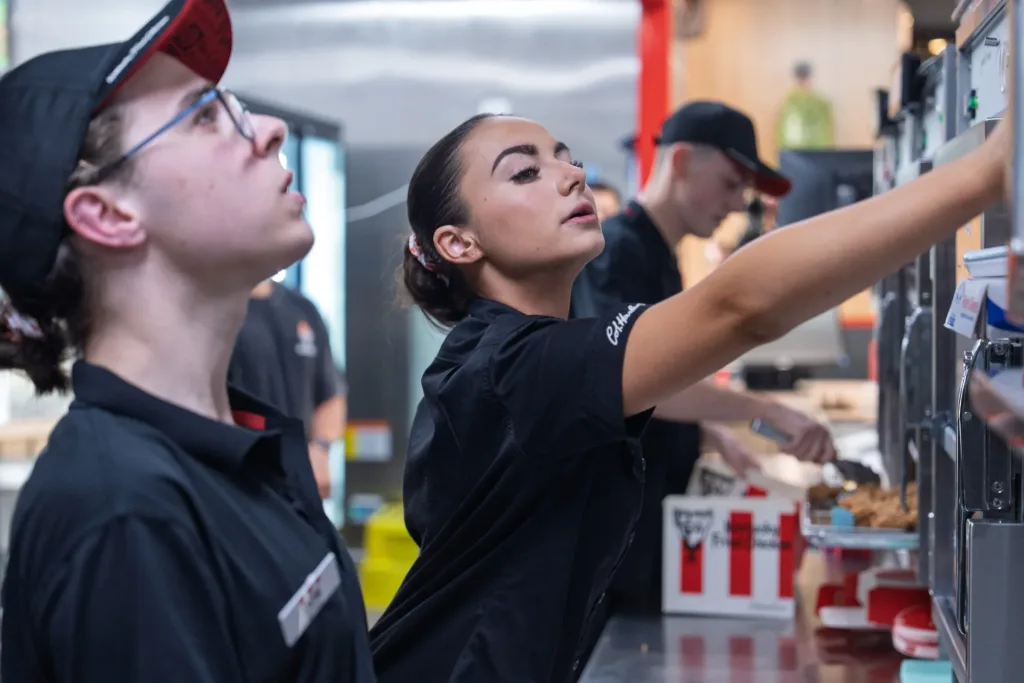
Every KFC runs on two crews you might not even clock as separate when you’re grabbing a Zinger at 9pm. There’s the team at the counter and the drive-thru window, and there’s the team in the kitchen you never really see. They’re doing completely different jobs, and knowing what each one involves makes it a lot easier to figure out where you’d rather start.
What front of house is really like
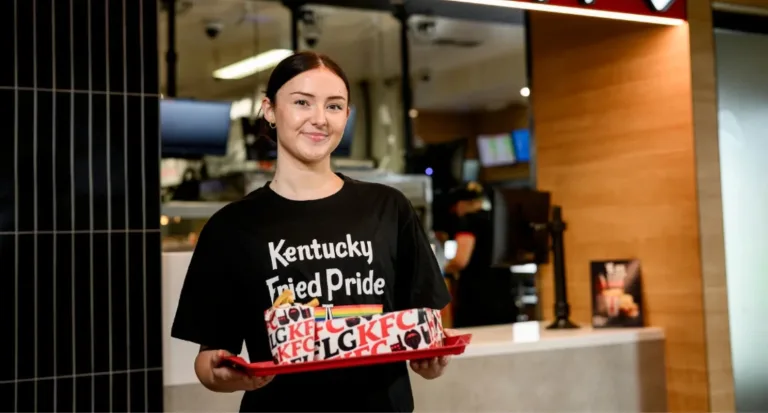
If you’re Front of House, you’re the first person someone sees when they walk in hungry and the last person they talk to before they leave with a bucket under their arm. That means greeting customers, taking orders, packing meals properly, answering the odd random question, and keeping the counter and dining area looking decent. It moves fast. It’s social. And it’s the kind of job where a bit of personality goes further than people expect, because customers remember how you made them feel more than how quickly their chips came out.
What’s really happening in the kitchen
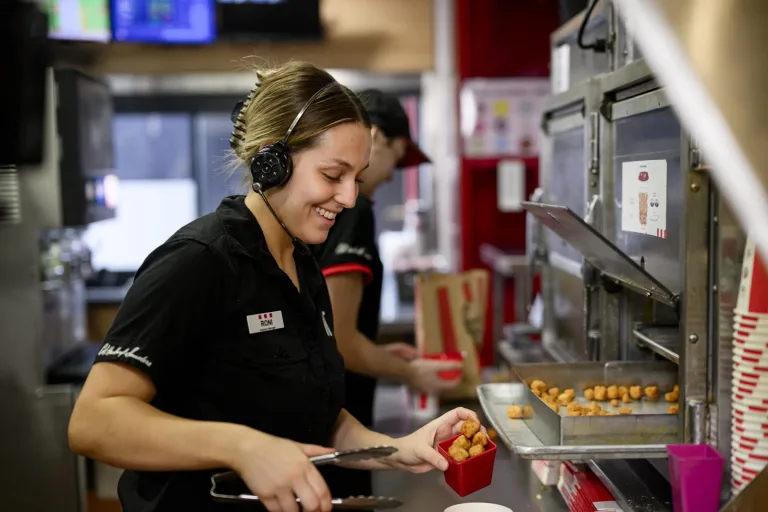
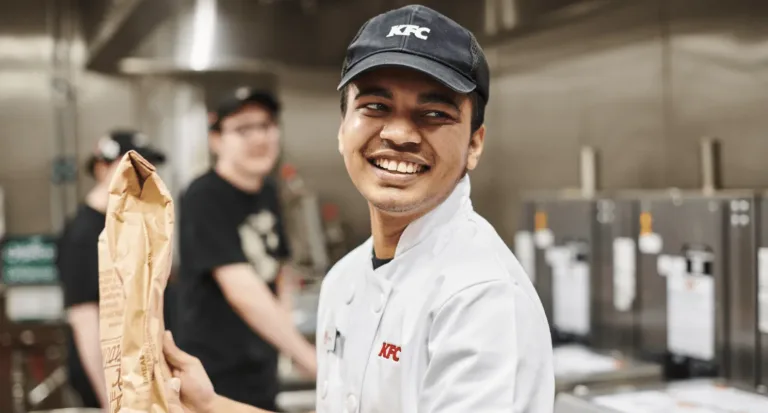
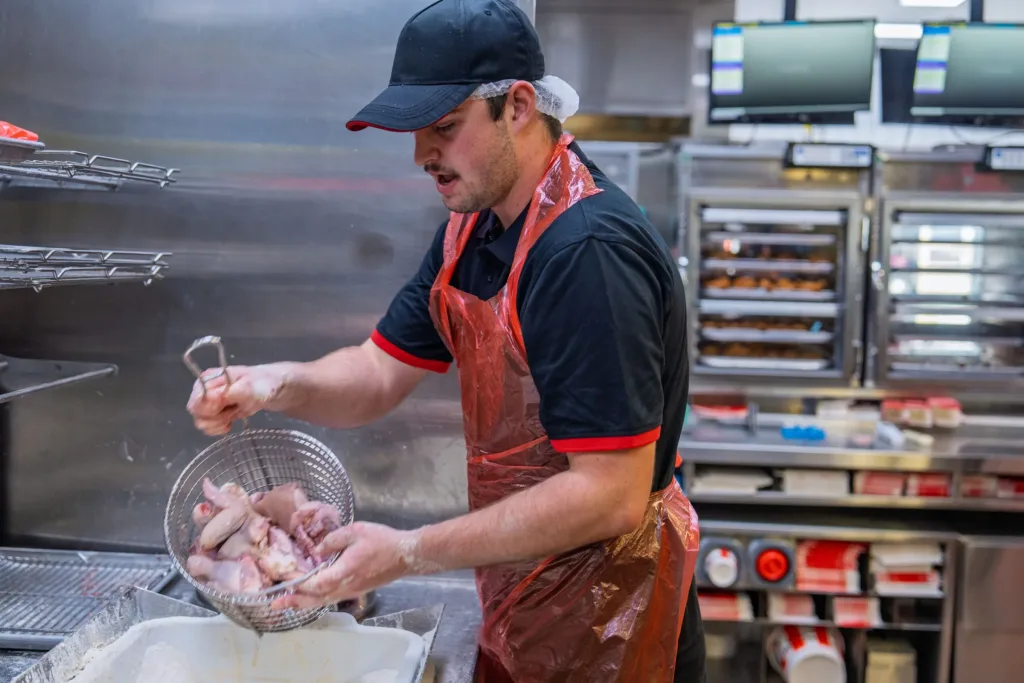
Back of House runs on a completely different rhythm. It’s less about people skills and more about precision. The chicken has to be prepared safely and consistently, shift after shift, which means following food safety procedures, keeping an eye on the equipment, prepping ingredients, restocking stations, and staying quick enough to keep pace when the dinner rush hits. Customers rarely see this side of things, but it’s the reason the food tastes the same whether you’re in Perth or Parramatta.
Neither team works without the other. Front of House passes on the orders and reads the room. Back of House turns that into food, fast and to standard. When it clicks, the customer gets the right meal, quickly, with someone friendly handing it over. That’s the whole job, really, no matter which side of the counter you’re on.
Figuring out where you’d fit
Some people are built for Front of House. If you like talking to strangers, staying calm when the queue’s out the door, and catching mistakes before they become a problem, you’ll probably enjoy it more than you’d expect. It rewards people who are quick on their feet and just like people.
Back of House suits a different kind of person. If you’d rather put your head down and get good at something with your hands, care about doing things properly even when no one’s watching, and like the satisfaction of a clean, organised station, that’s where you’ll thrive. It’s hands-on work, and there’s something satisfying about seeing exactly what you made.
Neither one is the “easier” option. They just ask different things of you.
You’re not locked in
Here’s the part most people don’t realise: you don’t have to pick a lane and stay there. Loads of Team Members start on one side and end up learning the other. Cross-training between Front and Back of House is normal, and it’s often how people find out what they’re good at. Someone who thought they’d hate the kitchen ends up loving the pace of it. Someone who was nervous about talking to customers ends up being the person training new starters. It happens more than you’d think, and it’s usually how people end up moving into Shift Supervisor or Restaurant Manager roles down the line.
The skills you walk away with
Front of House teaches you things that are hard to fake later in life: reading people, staying composed when things get chaotic, handling a complaint without losing your cool, juggling five things at once during a rush. Back of House teaches a different set: working cleanly under pressure, following a process properly every single time, prioritising, and pulling your weight in a small team when the kitchen’s slammed.
Either way, you come out of it more confident talking to people, better at solving problems on the spot, and a lot more comfortable when things get busy and chaotic, which, weirdly, is a skill that shows up everywhere. School group projects. Exams. Your first proper job interview. It’s the same muscle.
Where to start if you’re not sure
Ask most experienced Team Members where to start and they’ll tell you the same thing: don’t overthink it. Pick whichever side sounds more interesting to you right now, ask questions, and stay open to trying the other one later. Some people who were sure they’d love customer service end up preferring the kitchen. Others go in expecting to hide in the back and end up leading a shift on the floor.
The starting point matters less than you’d think. What matters is being up for learning, because there’s always another station, another skill, and another version of the job you haven’t tried yet.
Keen to find out more? Explore current opportunities at your local KFC and see where you could start.