What comes to mind when you hear the words “water industry”?
Maybe engineers designing pipes and treatment plants. Maybe scientists testing water in a laboratory. Maybe someone in a hard hat fixing a leak.
All of those people can have careers in water. But they’re only a drop in the bucket of career options.
Australia’s water industry is a surprisingly big team, with people working across trades, technology, science, engineering, the environment, communications, customer service, project management and more.
In fact, there are so many different careers in water that there’s a good chance you already have an interest or skill that could be useful in the industry.
-
What careers are available in the water industry?
The water industry is responsible for much more than getting water from a tap. People working across the industry help provide safe drinking water, treat wastewater, protect waterways, manage infrastructure, respond to changing weather and plan for Australia’s future water needs.
And that takes a lot of different skills.
Think science
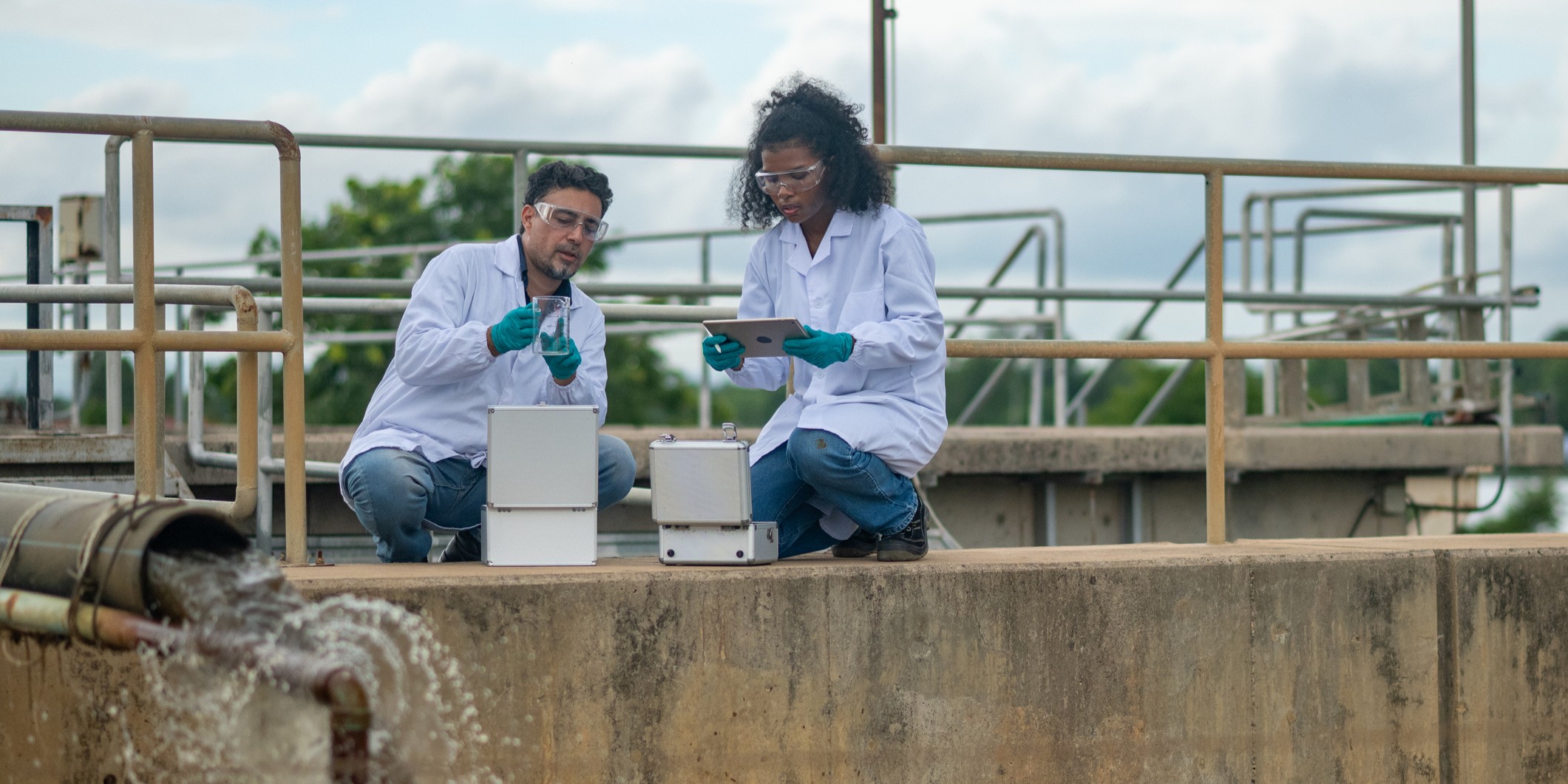
Scientists help us understand what’s happening in our water and environment. Water quality scientists, chemists, microbiologists and environmental scientists test water, investigate changes in ecosystems and help make sure water is safe.
From collecting samples from rivers and dams to purifying water, science plays an important role throughout the water cycle.
Many of these roles require university qualifications, but there are also opportunities to start in field-based roles and progress through a combination of experience and training.
Prefer practical, hands-on work?
Water infrastructure needs people who know how things work and how to keep them running.
Electricians, fitters, mechanics, plumbers, technicians and treatment plant operators work with the equipment and infrastructure that keeps water and wastewater systems operating.
So yes, there are plenty of hard hats in water. There are also plenty of toolboxes.
Many of these careers begin with an apprenticeship or traineeship, while others offer on-the-job training and opportunities to gain qualifications as you build experience.

Like solving problems and organising things?
Project managers help turn big ideas into real projects. They might coordinate the construction of new infrastructure, manage upgrades or bring together teams working on a major project.
Planning, procurement, finance and business professionals also help water organisations deliver projects and services effectively.
There are several pathways into these roles, including on-the-job experience, TAFE and university study, depending on the position.
People also move into project management from other areas, using the skills and experience they’ve already developed. For someone considering a career change, it can be an opportunity to move into a new role without starting from scratch.

More interested in people than pipes?
Water organisations need people who can communicate with customers and communities.
Communications specialists might explain a new project to the public. Customer engagement teams help people with questions about their water services. Customer service teams are often the first point of contact when there’s a leak, a flood or even a change in how the water tastes.
Community engagement professionals work with local communities when projects or infrastructure changes affect an area.
Many water organisations also have education teams that work with children, schools and communities. And there are careers in human resources, marketing, finance and many other areas you’d find in almost any large organisation.
Customer service roles often require no prior experience and can be a great way to learn about the different parts of a water organisation. They can also provide a stepping stone into other areas of the business.

Want to protect the environment?
Australia’s water resources are valuable, so protecting them is a major part of the industry.
Environmental scientists, ecologists, catchment officers and sustainability professionals work on protecting waterways and ecosystems, conserving water and finding ways to use it more responsibly.
These roles often involve a mix of office-based and outdoor work.
As with other science-related careers, there can be opportunities to start in a field-based role and progress through experience and further training.
And then there’s technology
Water might be one of the oldest industries around, but that doesn’t mean it’s stuck in the past.
Data analysts, IT specialists, cybersecurity professionals, automation specialists and GIS professionals all have roles to play.
That means someone who loves computers or technology could find a career in water without ever having to become a pipe expert.
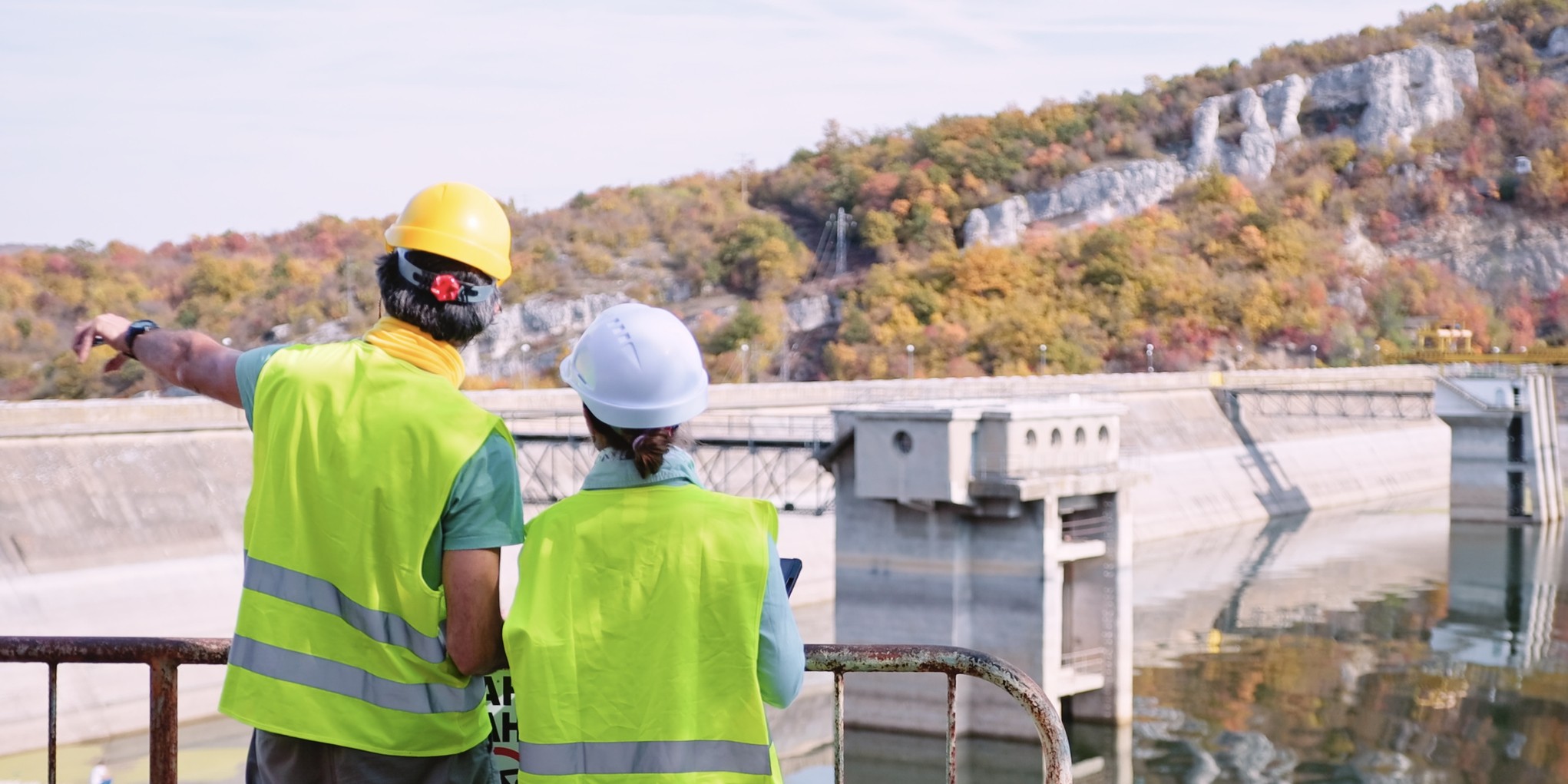
Digital technology is playing an increasingly important role in how water is managed. Smart meters, remote sensing and real-time data help organisations monitor catchments, manage water distribution and identify problems.
There are pathways into these technology-related roles through both TAFE and university study.

-
How can STEM skills lead to a career in water?
You’ve probably heard the term STEM at school. It stands for science, technology, engineering and mathematics.
These subjects are useful across the water industry because water professionals are constantly solving problems.
Scientists use chemistry and biology to understand water quality. Engineers use maths and science to design infrastructure. Technology specialists use data and digital tools to monitor systems and find better ways of doing things.
And these areas increasingly overlap.
Imagine combining an interest in technology with an interest in the environment. You could work with data to understand how much water is being used, develop digital tools to monitor infrastructure or use mapping technology to understand what’s happening across a catchment.
Technology is also changing how Australia’s water is managed. Sensors and monitoring systems collect information about water and infrastructure, while data and automation help organisations identify problems and improve how systems operate.
You also don’t necessarily have to choose between your interests.
Love science and the environment? There are careers that combine both.
Love technology and problem-solving? Plenty of opportunities there, too.
Love building things and working with your hands? Water needs those skills as well.
-
Could a career in water be right for you?
There’s no single type of person who works in water.
You don’t have to be someone who’s known since primary school that they want to work in the industry. You don’t even have to know exactly what job you want yet.
A good place to start is thinking about what you enjoy.
- If you like solving problems, you could explore engineering, technology or project management.
- If you enjoy working with your hands, look at trades, maintenance and operations.
- If you’re interested in science, explore water quality, laboratory work or environmental science.
- If you love the environment, consider ecology, sustainability or catchment management.
- If you’re interested in people and communication, look at community engagement, customer service or communications.
- And if you’re fascinated by technology and data, there are opportunities in IT, automation, digital systems, GIS and data analysis.
The skills you develop at school can also be useful in ways you might not expect.
Working on a group project can help you practise communication and teamwork. Maths and science can build problem-solving skills. Sport can teach collaboration and persistence. Volunteering can help you understand how to work with different people.
These are all skills you can take into the workplace, regardless of which career you eventually choose.
What can you do at school if you’re interested in water?
If a particular water career catches your attention, find out what people in that role do day to day.
Look at the subjects and qualifications that could lead there. Talk to teachers, careers advisers or people already working in the industry.
You can also register your schoolask your school to register on the Water Ambassador listWater Ambassador list to arrange for someone to visit and talk about careers in water.
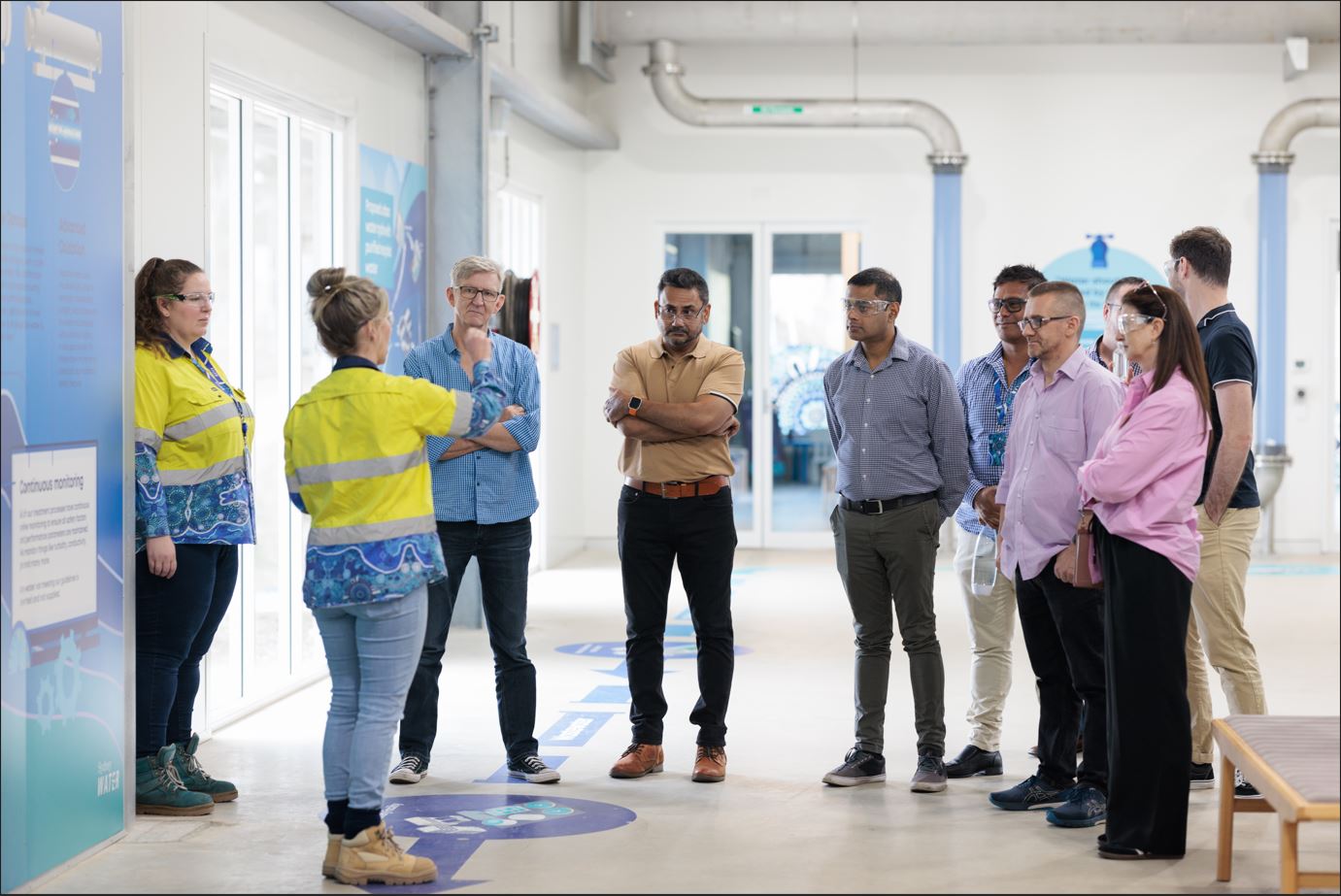
Work experience can also be a useful way to see what a workplace is like. Check whether water utilities in your local area offer vacation programs or school-based learning opportunities. You could even take a free community tour of a treatment plant.
It’s also worth looking beyond the job title.
If you enjoy science but don’t want to spend all day in a laboratory, explore where science skills are used in other roles.
If you enjoy technology but don’t want to become a software developer, investigate how technology is used in engineering, environmental work or water operations.
There are plenty of ways to put your interests and skills to use.
So, why water?
Every day, Australians rely on water services without necessarily thinking about the people behind them.
Those people include scientists, engineers, electricians, technicians, environmental professionals, data specialists, project managers, communications professionals, customer service teams and many others.
The water industry isn’t one career. It’s hundreds of different careers helping provide something we all rely on.
And if engineering is what you’re interested in, there’s plenty of that, too.
The water industry needs civil, process, electrical, mechanical and environmental engineers across the water cycle. With billions of dollars in water infrastructure investment planned over the next decade, there’s plenty of work ahead.
Interested in exploring your options? Visit Careers in Water to discover the different roles and pathways available across Australia’s water industry.