With over 25 years of local experience, Leidos is working to solve the world’s toughest challenges in government, intelligence, defence, aviation, border protection and health markets.
Leidos Australia’s 2000+ local experts, backed by our global experience and network of partners, deliver solutions that protect and advance the Australian way of life. Leidos is a Fortune 500® information technology, engineering, and science solutions and services company.
As a large-scale prime systems and services integrator, Leidos turns complex data into practical, usable solutions for its customers, including:
delivering software applications for a wide range of missions in the Intelligence, Surveillance and Reconnaissance domains;
providing critical projects to the Department of Defence;
supporting the IT environment for the Australian Taxation Office; and
maintaining legislative websites for a number of governments.
HERE'S A SNAPSHOT...
38,000Employees
30Countries
1969Founded
Why Join Us?
Our Culture
No matter who you are or where you work, Leidos has made it a key business goal to ensure everyone feels welcome, valued, respected and supported. It’s about understanding and recognising that everyone is unique and central to building a great place to work. This is reflected in the organisation’s values:
Integrity
Inclusion
Innovation
Agility
Collaboration
Commitment
As an evolving organisation, our people are able to make a real difference not just to the work we do, but to our working environment too. We welcome new ideas and encourage our people to challenge the norm.
We also listen to what our people say. So, we run an annual Employee Engagement survey called Leidoscope. This tells us what is working well and where we can do better. And it helps us with our business planning for the next year. Our recent engagement survey demonstrates a high level of engagement, support and motivation within our diverse workforce.
Our Advocacy Groups and Communities of Practice help ensure like-minded people, irrespective of where they work within the organisation, are able to collaborate and learn within their interests or professional groups.
Flexibility
Leidos is a family friendly certified organisation and we provide flexible work arrangements that are outcomes focused and may consist of; flexible work hours, Life Days (formally RDOs), Switch Days where you can switch a public holiday for an alternative days that means more to you, and a career break of between 3 months and 2 years to take time out from Leidos to explore other interests.
Flexibility is at the heart of productivity, engagement and frankly, life. We understand that flexible working will look different depending on your personal circumstances, the kind of work you do and where you need to work from. For some, there is flexibility in schedule, either formally such as working part-time, or more informally, such as choosing early or late hours or flexing the hours worked each day. For others, flexibility in work location or the ability to work from home may be available.
Learning and Development
Leidos Australia invests heavily in personal development at all stages of our employees’ careers – from our intern and graduates cohorts to technical, program management and leadership training.
All employees have access to over 100,000 online courses through the Technical Training portal and Leidos also offer technical training sessions including tech for non-tech and tech talks.
Social Contribution
Leidos has practical partnerships with two key organisations in Australia. Bravery Trust provides financial support to veterans, current and former members of the Australian Defence Force and their families. Since 2017, the company has also partnered with the Australian War Memorial in Canberra to create ‘On Closer Inspection’, a series of augmented reality experiences bringing to life the stories of Australians at war.
All employees are entitled to one day a year to spend volunteering with an organisation they feel passionately about. Additionally, many people also organise local fundraising events such as golf days and trivia nights for causes they believe passionately in.
Career Prospects
If you’re starting out in your career or looking for a career change, you’ll be supported to learn and grow in a dynamic environment, working on real-world challenges that make a difference. We offer flexibility, a supportive team culture, and structured training and development to help you build a strong foundation for your future.
Our graduate program
All graduates are employed on a permanent basis. Be immersed in real projects as an embedded and productive team member, right from the start. All graduates are allocated a buddy and a mentor.
You’ll find yourself working alongside people who are forward thinkers, always looking for the opportunity to go further, do more and explore a better way of doing things. If you love a challenge as much as we do, then this is the right place for you to launch your career.
At the end of the year, our graduates typically continue to work in the area they started in and further develop their strengths and capabilities. Some may wish to explore other opportunities based on their aspirations and the needs of the business. After that, they often progress into technical or managerial positions. We invest heavily in our graduates ensuring they are set up for success. They are, after all, the future talent at Leidos.
Our Intern / industry-based learning program
There’s no need to wait until you graduate to gain hands-on, industry experience. Ideal for students in their penultimate year of studies, this is an exciting opportunity for curious minds intrigued to discover what’s possible. You could even be the catalyst for an idea that helps our team solve complex problems that others can’t.
Our cadetship program – earn while you learn
You don’t need to wait until graduation to start making an impact. Our cadetship program is designed for students who want to gain hands-on industry experience while completing their qualifications. Whether you’re driven by curiosity, creativity, or a desire to do meaningful work, this is your chance to be part of a team solving some of the most complex challenges in tech.
Environmental Sustainability
We are committed to reducing our environmental impact. At Leidos, we work every day to advance environmental sustainability for our customers and our own operations. On a global level, three of our Next Level Leidos goals are focused on environmental stewardship.
Reduce GHG emissions 25% by 2030
Reduce waste by 50% in Leidos facilities by 2030
Increase renewable energy to 25% of total electricity use by 2030
At a local level within Australia, Leidos has a number of green initiatives:
Office furniture refurbishment and reuse
Smart printing, including default to print both sides
Recycling – paper, toners and coffee pods
Recycled paper used for printing
Elimination of single use cups
Comix waste recycling with clear signage on bins
Handryers available in all bathrooms
Smart HydroTaps with instant boiling water
Follow guidelines for electronic waste disposal and responsibly reuse/recycle/redeploy of our corporate managed electronic waste
Low power LED lights throughout the main office spaces
Lights on timers or sensors in major offices
Office space in a building that is rated a five-star green facility and with net zero emissions
We’re big but small
As a company, we are rare. Whilst we are part of a 32,000 person US-based organisation with a 50 year history, here in Australia we are still a relatively new name. Our business is growing fast and we are building an enviable reputation for innovation and delivery.
Where you could fit in
Whether you are looking to specialise in a technical area – such as Software or Systems Engineering – or in any of the functions that are essential for the smooth-running of our business – HR, Finance, Business Development, Operations or Corporate Affairs, for example, you could be part of our future.
Who are we looking for?
At Leidos, we love a challenge. So, if you are adaptable, eager to get involved and enjoy finding better, more efficient ways of doing things, we should talk.
Early Careers at Leidos
If you’re starting out in your career or looking for a career change, you’ll be supported to learn and grow in a dynamic environment, working on real-world challenges that make a difference. We offer flexibility, a supportive team culture, and structured training and development to help you build a strong foundation for your future.
Our graduate program
All graduates are employed on a permanent basis. Be immersed in real projects as an embedded and productive team member, right from the start. All graduates are allocated a buddy and a mentor.
You’ll find yourself working alongside people who are forward thinkers, always looking for the opportunity to go further, do more and explore a better way of doing things. If you love a challenge as much as we do, then this is the right place for you to launch your career.
At the end of the year, our graduates typically continue to work in the area they started in and further develop their strengths and capabilities. Some may wish to explore other opportunities based on their aspirations and the needs of the business. After that, they often progress into technical or managerial positions. We invest heavily in our graduates ensuring they are set up for success. They are, after all, the future talent at Leidos.
Our Intern / industry-based learning program
There’s no need to wait until you graduate to gain hands-on, industry experience. Ideal for students in their penultimate year of studies, this is an exciting opportunity for curious minds intrigued to discover what’s possible. You could even be the catalyst for an idea that helps our team solve complex problems that others can’t.
Our cadetship program – earn while you learn
You don’t need to wait until graduation to start making an impact. Our cadetship program is designed for students who want to gain hands-on industry experience while completing their qualifications. Whether you’re driven by curiosity, creativity, or a desire to do meaningful work, this is your chance to be part of a team solving some of the most complex challenges in tech.
Masters of Computer Science (Specialising in Software Engineering) at Monash University
What’s your job about?
I work as a software engineer at Leidos, which builds and maintains digital systems used by customers to solve real-world problems. My area of responsibility is designing, building, and improving software features that are reliable, secure, and easy for people to use.
On a day-to-day basis, my job involves turning ideas and requirements into working software. A typical day might start with a team catch-up to discuss priorities and progress, followed by selecting tasks from our shared work board and planning how to approach them. I write code, test it and review other engineers’ work to make sure everything meets quality standards and follows best practices.
I also take part in meetings with customers and stakeholders to understand their needs, discuss progress, and help shape timelines and solutions. This means translating non-technical ideas into technical tasks, and explaining technical concepts in a clear, simple way. Over the course of a week or project, I might work on new features, improve existing functionality, fix bugs or help refine how our systems are designed.
Beyond coding, collaboration is a big part of my role. We regularly share knowledge, learn from each other, and occasionally come together socially to build strong team connections. In simple terms, my job is about problem-solving, teamwork, and building things that make technology work better for people.
What’s your background?
I was born and raised in Melbourne. I graduated high school in 2015 and went on to study a Bachelor of Pharmacy at Monash University, completing my degree in 2019. During my studies, I worked as a student pharmacist, which allowed me to gain early, hands-on experience in healthcare while applying what I was learning in real-world settings.
In 2020, I began my professional career as an intern pharmacist at Monash Health and later that year became a registered pharmacist. I worked across all Monash Health hospitals as a ward pharmacist, rotating through a wide range of specialties including COVID-19 wards during the pandemic, oncology and chemotherapy, neurology, general medicine, and surgery. Throughout this time, I experienced countless crazy moments and built many memorable experiences working closely alongside multidisciplinary medical teams. The environment was incredibly fast-paced and often volatile, but that intensity was also what made the work exciting. It demanded constant problem-solving, adaptability, and clear communication, particularly in high-pressure situations where decisions truly mattered.
In 2022, I decided to pursue a different career pathway and began working towards becoming a software engineer, while continuing to work as a pharmacist until the end of 2024. I had always had a strong interest in technology and realised that I genuinely enjoyed solving complex problems and building practical solutions. While I loved helping people through healthcare, the idea of helping people through scalable technology solutions felt equally meaningful and deeply motivating.
While working full-time as a pharmacist, I completed a Master of Computer Science specialising in Software Engineering. Balancing full-time work and postgraduate study was one of the most challenging periods of my life, but it ultimately strengthened my resilience and work ethic. Toward the end of my degree, I applied for graduate programs and was fortunate to secure a graduate software engineer role in 2025. I successfully completed my graduate year and was promoted to software engineer toward the end of 2025, a role I continue in today.
Could someone with a different background do your job?
Yes! A software engineering career is absolutely possible with a different background. I am a good example of this myself, having transitioned from healthcare into technology. What matters most is not where you start, but your willingness to learn, adapt, and consistently build your skills.
Key characteristics for this role include strong problem-solving ability, curiosity, resilience, and the discipline to keep learning as technology evolves. Good communication skills are equally important, as the role involves working closely with teammates and stakeholders with different technical backgrounds. Being comfortable with ambiguity, open to feedback, and able to break down complex problems into manageable steps are essential traits for success in this job.
What’s the coolest thing about your job?
The coolest part of my job is tackling complex problems and watching them turn into clear, working solutions. I especially enjoy picking up challenging tickets that push me to learn, knowing I have a strong support system around me to ask questions, get feedback, and improve quickly. Moments that confirm I’m in the right role are when a difficult piece of work finally clicks, or when feedback highlights how my solution helped the wider team or customer.
Beyond the work itself, we regularly share knowledge through internal “tech talks” over pizza and celebrate milestones with team events, which reinforces a culture of learning, growth, and collaboration.
What are the limitations of your job?
One limitation of my role is the mental challenge that comes with solving complex problems. Imposter syndrome is very real in software engineering, especially when working on unfamiliar or technically difficult tasks. There are times when solutions are not obvious, progress feels slow, or you reach temporary dead ends, which can be mentally draining. The role also requires sustained focus and comfort with ambiguity rather than immediate answers.
That said, these challenges come with the job and are balanced by strong team support and learning opportunities. Over time, working through these moments builds confidence, resilience, and stronger problem-solving skills.
3 pieces of advice for yourself when you were a student…
You are not locked into one path. Don’t feel like choosing a degree or career means you’re stuck there forever. People change, pivot, and grow. With determination and persistence, you can always create a new direction, everything will be okay.
No experience is wasted. Even if something doesn’t resonate long-term, it still shapes you. Every experience builds skills, perspective, and resilience that will guide better decisions in the future.
Back yourself more. You are more capable than you think. Don’t let self-doubt stop you from trying. Growth often starts before you feel ready.
Bachelor of Information Technology at Deakin University
What’s your job about?
Leidos is working to solve the world’s toughest challenges in government, intelligence, defence, aviation, border protection and health markets. As a software engineer, I help develop and maintain software for one of our customers. My team works on three separate projects, two of which are in sustainment and the other being in development. Due to the range of projects, we have a vast tech stack including React, Typescript, Rust, Java, Kotlin and more.
A common theme to our projects is that they all improve our customer’s workflow, helping them achieve their tasks in a more productive and organised manner. The projects I work on are either to replace outdated systems or manual processes.
A typical day for me includes looking at our scrum/work board to find a ticket/task to work on. This could include accomplishing the ticket/task myself or reviewing someone else’s work. The tickets range in size and can involve developing new features, patching bugs, addressing tech debt, working on research investigations or addressing user feedback.
My team also has different kinds of meetings throughout the week. This includes refinement, where we refine the tickets/tasks we have in the backlog to flesh out what exactly the task incorporates and any ideas on how to achieve it. As well as sprint review, where we demonstrate to our customer all the work we have achieved in the last two weeks.
What’s your background?
I grew up in the western suburbs of Victoria where I still live today. I struggled a bit trying to figure out what I wanted to pursue as a career. As a teenager, my interests were in film and psychology. I initially went to university to study psychology but decided to stop to pursue something more creative. After self-studying creative writing for a while, I realised that I wanted to keep my creativity side for myself instead of monetising it. So, I ended up a bit lost. That was until my cousin told me all about her life as a software engineer. She let me borrow her HTML/CSS book, which I read and enjoyed very much! I had heard of coding before but seemed too low-level for me. But after reading this book, my perspective changed. Not only was it easier than I thought, but also very creative!
I ended up applying to Deakin University again and completing a Bachelor of Information Technology. Near the end of my degree, there was encouragement from staff to apply for graduate programs. I found out about Leidos’ graduate program and applied after reading about the important work they do for our society.
I was fortunate enough to be offered a role and started in 2024 as a graduate software engineer. I am currently at the end of my second year at Leidos and I am very happy!
Could someone with a different background do your job?
I believe so. When it comes to coding, people often think of a specific type of person. However, there is really no limit to what you can create with code. I often compare programming languages to a paint brush or a tool. It really depends on the individual to decide what they want to create with it. And one of Leidos’ values is innovation. In order to achieve this, and seek out the best solutions and ideas, you need a diverse group of people who come from a range of different backgrounds with life experiences.
So, I would say not only could you do my job if you had a different background, but your uniqueness would be very valuable!
What’s the coolest thing about your job?
I love the constant opportunities to learn. With each new ticket comes new experiences that improve my skills, making me feel like I am constantly improving and becoming a better developer. I never feel bored or stagnant at work, there is always a new challenge around the corner to keep my brain stimulated. I’ve gotten to learn a lot about myself and how software is created and maintained.
What are the limitations of your job?
Unlike other graduate programs, there aren’t any rotations. Leidos will find a team/project for you to be on. Sometimes this can take a bit of time depending on current state and logistics of the team/projects. I was lucky and got on a team straight away, but some of my fellow grads/interns had to wait a bit. Leidos does try their very best to put you on a project that matches your skills and interests though.
It can also be a bit overwhelming starting as there is a lot to learn, but eventually you will get the hang of things.
Three pieces of advice for yourself when you were a student…
Remember to be kind to yourself and celebrate the small wins. The only person you should compare yourself to is your past self!
Try to get out the house more and be a part of more communities.
Bachelor of Engineering & Bachelor of Commerce at Monash University
What’s your job about?
Leidos is a global science and technology company that specialises in solving complex challenges in defence, intelligence, civil, and health markets. I specifically work as part of the Mission Software Solutions sector where Leidos provides advanced solutions to areas in data analytics, system integration and critical software products essential to our mission.
The majority of my role in this space is maintaining and developing new functionalities for pre-existing or new critical software products. Some of the technologies/tools I have been able to work on for different projects are AWS Cloud Services, Dev-Ops tools (Terraform/Ansible), Java, C#, .NET applications, and Apache NiFi to name a few. Don’t worry if you don’t recognise any of these, I didn’t either when I started!!
What a usual day looks like for me:
The day usually begins with me logging into Teams to check any updates or messages as well as checking my calendar for the day.
Check the Jira board for the current ticket I am working on or pick up a new ticket. A ticket represents a specific task or issue that needs attention such as developing new software features or fixing bugs.
We have a daily standup which are brief sessions held with the project team to foster open communication as well as making sure everyone’s on the same page. Usually, we just tell each other what we are working on, blockers or challenges that we faced.
I work through the ticket trying to solve the challenge or problem using my knowledge or researching how to solve the issue.
I usually eat lunch with my coworkers at a communal seating area
After lunch, I either keep writing code or peer review my co-worker’s code
Leidos has quite flexible work arrangements, so I don’t finish at 5 pm every day. Some days I come in early and finish early or vice versa.
What’s your background?
During school, I didn’t know what I wanted to be when I grew up, but I did know I had a strength in maths, physics and presenting. Because of this, I chose a double degree in Engineering (Honours) and Commerce at Monash University.
During my time at university, I didn’t want to start a corporate job until I finished my degree, so I could spend more time enjoying the different aspects university had to offer. I joined a university club called the Computing and Commerce Association at Monash and was the HR Director for it. It was a great experience and a great way to make new friends. Throughout my time at university, I also worked part-time as a cocktail bartender at a bar!! Mixology has always been a great passion of mine and it was a great job to do alongside studying.
As my final year of university approached, I began looking for graduate positions and I found Leidos through Indeed. Before discovering their job advertisement, I hadn’t heard of Leidos, but after researching what they do, I was intrigued by their focus on using cutting-edge technology in areas such as defence. I submitted my application, I was then invited to complete an online assessment and then I was invited to a face-to-face interview. I got the job within a couple of weeks after the final interview!!
Could someone with a different background do your job?
I believe that anyone would be able to do this job. A lot of the job is solving problems but mainly through self-paced learning. When I started at Leidos I felt like I lacked some knowledge that I thought I should have had before starting a software engineering role. Leidos however specifically acknowledges that everyone learns differently, and they put operations in place to help accomplish your job by providing Senior Engineers and learning tools in a way that suits you. As long as you have a willingness to learn and a growth mindset you really can do anything!!
What’s the coolest thing about your job?
For me, it’s understanding that I am contributing to something greater than myself and being able to work as part of a team to solve problems every day. Before joining, I always felt like software engineering was a lone wolf career, but I was so wrong. Collaboration and teamwork are such a crucial part of the job and it’s what I love the most about it at Leidos. It’s the incredible collaboration of many amazing people who come together to solve a massive problem that seems impossible, yet they somehow make it possible. I think that’s incredible!!
What are the limitations of your job?
Due to the nature of the work, there can be many hours or days waiting for approvals. This can be a little hard even when you think it is quite a simple request. In these situations, you won’t have much work to do which sounds like a good problem to have but it really isn’t at times. Having said this, there is always internal learning that can be done and Leidos provides many different learning resources.
3 pieces of advice for yourself when you were a student…
Don’t be afraid to try new things whether that be a career, hobbies, travelling or anything really. New experiences broaden your perspective of the world which I think is important. As I got older, I understood that the “more you know, the more you realise you don’t know”, so be inquisitive!!
Remember that your career or university whilst important, isn’t your whole life but a part of your life. Remember to balance and prioritize other aspects of your life such as your physical health, mental health and relationships.
The last piece of advice is a quote I live by. “Don’t practise till you get it right, practise till you can’t get it wrong”. Whatever path you choose, give it your all and try your best. Keep getting better each day by taking space steps and even if you fail take it as a learning opportunity and keep going.
Leidos Australia is a technology company that supplies specialist solutions to the Australian Government and other clients. I am a Cyber Security Analyst undertaking work in a full-scale cyber security project for Defence across multiple environments. I have exposure to GRC (Governance, Risk and Compliance), vulnerability management, cyber engineering, and cyber threat intelligence and threat hunt teams. I am thankful for the opportunity to work across all areas of the project and have used this time to plan which areas of cyber security I want to continue and specialize in.
The work is diverse and uses both my technical and soft skills. Knowing the cyber security landscape and threat vectors is vital. To stay on top of all things cyber, my mornings consist of reading cyber security news and reports. One task I am proud of is the development of a proof-of-concept dashboard for the internal and external stakeholders. I was able to learn a new skill set and supply new capabilities to my team.
What’s your background?
I grew up in Melbourne, Australia and have been in Melbourne through primary, high school and university; however, the dream was always to move to Canberra for a graduate role.
My love for technology began at an early age, sneakily playing computer games with my twin sister instead of going to bed like we were told. The idea of working in technology was always my end goal.
While at uni, I had the opportunity to sit the e-council ethical hacking and digital forensics exams and the Information Systems Audit and Control Association (ISACA) Cyber Security Fundamentals exam.
In my final year of university, I landed a six-month internship at Victoria’s Big Build Rail Project Victoria (RPV) project office. Working with a wonderful and supportive team, I was exposed to Microsoft Azure and M365, third-party management, and the Victorian Protective Data Security Framework (VPDSF) attestation and audits. I continued learning and completed two Microsoft fundamental exams and an RMIT micro-credential in public-sector risk management. After the internship, I was asked to stay on as a Security Administrator, incorporating and managing compliance with the VPDSF.
At the beginning of my final year, I began applying for graduate roles. The purple of Leidos stood out to me and the option to work in Canberra appealed to me. I applied for and started my role in January 2023 and have enjoyed the Graduate Development Program and the meaningful work of my project. My Canberra graduate cohort has been so supportive and has been the highlight of my first year at Leidos!
Could someone with a different background do your job?
Yes, however, knowing all about technology helps! This role values and requires a passion for learning and building strong relationships—just as much as technical skills. There are plenty of courses and certificates that can help build technical skills. If you are doing rotations across cyber security domains, it is important to be willing to learn computer networking, security tooling, as well as governance and policy frameworks.
What’s the coolest thing about your job?
The coolest thing is that I know there is always someone to talk to and ask for feedback without fear. I have access to a buddy, mentor, People Leader, a talented team of colleagues, and a wonderful graduate cohort. Leidos and the Early Careers team have built an environment that values both your well-being and career growth. I feel so supported in this role.
What are the limitations of your job?
There is a lot of responsibility in this role, and in my experience, I have been very self-driven. The work can have high stakes and challenging time constraints/deadlines. Those coming straight out of university may struggle to adapt to the self-driven nature of the role and tasks. Cyber security as an industry faces an elevated level of burnout due to stress, and this role is no different. The hours will change depending on the requirements of the task or the team, and you must adapt.
What are three pieces of advice you would give to other students?
There is always something new to learn in cyber security. Continuous learning is vital in this environment.
Find people who will keep you motivated, supported, and curious. Being around the right people will inspire you to be the best version of yourself.
Remember to take time for yourself. Burnout is common. Building and sticking to good self-care habits and routines will help you overall.
The vibe of the place
Leidos emphasizes the fact that the work is not just interesting, challenging and worthwhile, but that everyone there can really see the impact of their efforts. Leidos encourage curiosity and go out of its way to help graduates get involved and make the most the opportunities the company provides.
Leidos – Be the Difference
As a large scale prime systems integrator, our biggest asset is the quality of our 2,000+ people. Every one of the Leidos team plays an important part in delivering smart solutions to our customers’ most complex challenges. So we make it our mission to make sure every single person is enabled to do their best work, be inspired by what they can achieve and the impact they can have.
We’re proud of our purpose
Helping to safeguard our fellow Australians is important to work. So, whether delivering important geospatial and imagery systems to the Department of Defence, supporting the IT infrastructure for the ATO, delivering major IT transformation projects to Federal Government, or conducting airborne special missions on behalf of the Australian Government, we work closely together with our customers and colleagues to deliver smart solutions that they want to use. Innovative, technically advanced and highly practical.
We’re always looking ahead
We’re openly ambitious as a business – always looking ahead. And, because we’re so much more than just an IT company, we are able to offer work that’s both interesting and challenging, with a constant pipeline of projects too. As a business, we’re rarely satisfied with a job well done. Instead, we’re always looking for a better way, and that feeling is shared by our people too. Lucky for us, whilst focusing on our Australian customers, we have all the depth or resources of our large US organisation to draw upon.
We’re enabled to thrive
If you are naturally curious, willing to have a go and embrace a challenge, you’ll fit right in. We’ve built a supportive, inclusive and flexible culture where you are trusted to get things done and encouraged to ask questions. At Leidos, our people are empowered to do their best work and are consistently inspired by the impact they can have. This has been especially important over the last few years during which we have worked hard to enable everyone – irrespective of where they work – to continue to be collaborative, productive and, above all, safe and healthy.
Who are we looking for?
At Leidos, we love a challenge. So, if you are adaptable, eager to get involved and enjoy finding better, more efficient ways of doing things, we should talk.
Bachelor of Software Engineering at RMIT University
5.30 AM
Snooze and ummmm… snooze again… So here is the thing, I’m just not a morning person. When my alarm starts blaring I will typically indulge my lazy side and snooze it. Once I manage to crawl out of bed, drinking a glass of water helps get the blood flowing (my substitute for the caffeine loaded beverage my partner obsesses over). Lights on, I cover the eyes until they adjust and move on to brushing my teeth, getting dressed and packing my lunch.
6.20 AM
Early bird benefits. By this time, I’m in the car and driving to the train station. Having tried both routines, I can definitely vouch for the idea of being an early bird. Missing the 9.00 AM peak means plenty of parking at the train station, cheaper myki fares and a guaranteed seat on the train. Lately, audiobooks are my jam in the morning, so the earphones go in and I do my best to stay tuned into the book while I fight my forever wandering mind. In case you were wondering, I’m currently listening to “The 7 Habits of Highly Effective People” by Stephen R. Covey.
7.20 AM
Settling in. Just arrived at my desk, greeted the team and signed into my computer. After a quick catch up with the team, it’s time to check my priorities for the day. The development team is made up of approximately 4 seniors, 2 technical leads, a recent graduate and an intern. We are building a data management platform that will be used to store and serve data to millions of Australians – robustness and scalability are imperative. I’ll spend 5 minutes going through my emails, replying to anything urgent. Up next is checking Jira for workflow changes, if I have made a pull request it’s (hopefully) been reviewed and pushed back to me for amendments. I tend to prioritise addressing feedback on a pull request to maintain momentum – a lingering pull request is bad news. After all, comments have been addressed, I push my code and move on to the next ticket – this should keep me busy for a while.
11.30 AM
Stand up. You may be thinking it’s a bit late for a stand-up, well… kind of but not really. Running standups at this time has two benefits, firstly it gives the team flexibility to start when it suits them, secondly, it means people talk faster as it’s strategically close to lunch – works surprisingly well. Sometimes we will walk the board sometimes we will do a round-robin (yesterday, today, blockers), I personally prefer the round-robin but change is always welcome.
12.00 PM
Lunchtime. I love food, so naturally, I love lunchtime. Resisting the temptation to buy lunch in the city is a tough one but eating dumplings every day gets expensive and the housing market isn’t playing nice these days… oh and I guess it’s not very healthy.
12.30 PM
Busy work. Trying to deep-dive technical challenges straight after lunch is usually a struggle. Using this time to reply to emails and take care of any other “busy work” helps ease productivity.
1.30 PM
A collaborative effort. Recently we had a new intern join the team, as part of onboarding we do some pair programming – I found pair programming invaluable when I started my graduate program and it’s something we do often. It gives them a chance to follow along and solidify their technical understanding, asking any questions along the way. Similarly, it forces me to consciously explain my approach in a manner that makes logical sense, an excellent way to weed out pesky knowledge gaps.
3.30 PM
Winding down or ramping up? As the day matures, instead of winding down I try and ramp up to finalise any deliverables before I head off. The sprint review is tomorrow which means it’s all hands on deck to get the work we committed to during sprint planning over the line. After checking Jira, there are a couple of tickets requiring review so I grab one and jump into it.
4.30 PM
That’s a wrap. Times up, I pack my bag, say my goodbyes and jump on a train. The days can be cognitively demanding so I skip listening to an audiobook, instead, I play some chilled music and reflect on the day during my commute home.
6.00 PM
Home sweet home. I walk in the door, greet my partner and give the cat a scratch. I do my best to be useful while we prepare dinner, she is much more skilled than I. We have dinner, I do the dishes and try to mentally prepare for a trip to the gym.
7.30 PM
It could go either way. Depending on how strong my willpower is that day, I may or may not be at the gym. I try to make it there around 4 times a week, exercise is a key ingredient to a healthy work-life balance.
8.30 PM
Lights out. After getting home I jump straight in the shower and prepare for bed. The day is done.
Bachelor of Information Technology at Deakin University
6.00 AM
I’m awake…just. Don’t bother talking to me; I won’t give you a coherent response. I eat breakfast and drink tea. Tea is good. I spend too long savouring my tea and rush through brushing my teeth and getting dressed to get out of the house on time.
7.00 AM
I drive to the station. As it’s so early, I can usually find parking pretty easily. I get on my train which is 3 minutes late, find the last seat in the carriage, grab my phone and earbuds out of my bag and settle in for the journey to work with some head-banging tunes to get me pumped for the day. I’m looking forward to the day ahead.
8.00 AM
My train is now ten minutes late. I choose to take the stairs rather than the escalators to get out of the station because I like to pretend I’m fit. It’s a brisk walk from the station to the office.
8.10 AM
I walk into my office suite and greet the two guys on my team who beat me in. We like to make use of Leidos’ flexible hours and have more home time in the afternoon. The rest of the floor is very quiet as most people don’t get in until a bit later. I unpack my stuff and log into my computers. I check my email and see the weekly update from the chief executive with updates on the organisation as a whole. This is a good way to find out what’s happening in different parts of the business.
8.30 AM
My team is currently working on a research and development project and we use scrum software development methodology. Today’s the last day of our two week sprint and I need to finish off the story that I’ve been working on before 11 o’clock so I can get the new functionality into the release.
9.30 AM
I’m happy that my code has built successfully, my unit tests have passed, I have a running instance of my new feature in our Dev environment and I’ve documented how to use the new feature. I need to get my story and code reviewed before I can mark it as ‘Done’. I ask one of my team members to review it for me. I give him a demo of the new feature and explain how it works. He reads through my code and picks up on a couple of things that I could have done better. I go back and fix the minor issues, then he re-reviews my code and approves it. My changes then get merged and my story is marked as ‘Done’.
10.30 AM
The Leidos office in Melbourne holds a morning tea every fortnight, and today’s the day. I get to the kitchen just as the food arrives so I can be sure I won’t miss out on a mini chicken curry pie.
11.00 AM
It’s sprint review time! This meeting only happens at the end of the sprint. We each talk through our moods during the sprint, what we think went well, what we think could be improved next sprint and people we’d like to thank.
11.30 AM
My team demos the stories that we’ve worked on over the sprint to each other. Some sprints, our client will come along to see the progress we’ve made, but this week it’s just an internal demo.
12.00 PM
Lunch time! Half of my team go out and buy food, the other half bring stuff from home. I’m in the ‘bring stuff from home’ category because I’m trying to save a deposit for a house. I head to the kitchen to toast my sandwich and then bring it back and eat it by the window while browsing the housing market on my phone and chatting to my colleagues.
12.30 PM
We merge the code in our Dev environment to our Prod environment and check that all tests are passed. We deploy to Prod and ensure that everything still works as expected. We fix any issues that come up.
1.00 PM
It’s sprint planning time. This always feels like the longest part of the sprint, so I make sure I’ve made myself a nice cup of tea to get me through it. My team gathers in a corner and we sit down and go through each new story in our backlog queue. We vote on the number of points we think each story is worth based on how difficult we think they will be to complete. The higher the points, the more difficult the story. If there’s a large discrepancy between our rankings, then the people who voted for the highest and lowest number explain why they thought it was difficult or easy respectively. After hearing their explanations, we then vote again until we reach an agreement. Once all of the stories have points, stories are added to our next sprint based on how many points we think we can achieve over the next two weeks.
3.30 PM
Sprint planning is finished and as I don’t have any story currently assigned to me, I can pick the next one from the top of the backlog queue to work on. It turns out that the next story is to configure and install a new software that I’ve never worked with before, so I spend a bit of time doing some background reading to try and figure out how it works before I start attempting to write configuration and installation scripts.
4.10 PM
Back to work. I think I’ve got enough of an idea to get started on my story, so I start writing some configuration and installation scripts.
4.45 PM
Home time! It was a good day. I pack up my stuff and log out of my computers. I leave the office and walk up to the station to catch a train home.
6.00 PM
I arrive home, eat dinner, walk my dog, have a shower, catch up on some TV and relax.
10.00 PM
Bedtime! I’ve achieved quite a bit today, so now it’s time for a well-earned rest.
I start my day by waking up to my alarm. I try to aim for 7am but often I end up sleeping in another 15 minutes. I then open my blinds and start to get ready. When getting dressed I like to make sure I’m not in all black, as I like to bring a little style and colour into the office.
I have breakfast, often with my housemate who is also getting ready for their day. After this I pack my bag and sort out my lunch, which is often a pre-made meal from the supermarket. Unfortunately, I am not one for making extravagant lunches.
8.00 AM
I leave to catch the train into the city, which takes me around 40 minutes. Part of this is a 10 minute walk to the station, which is great to give me a little bit of exercise in the morning. On the train I usually listen to some music or read my Kindle to relax a bit before work.
9.00 AM
I get into the office around this time but it can vary, sometimes I start earlier so I can finish up sooner. I walk in and say hi to my friends before getting to my team area and finding a desk. My work is pretty flexible so there is always a range of people working from home as well as in the office.
I set up for the day and get started on what I was working on yesterday afternoon. Although a lot of my work is based in Java I tend to work in many areas of the project, which allows me to code in a variety of languages.
9.30 AM
By this time I have refreshed myself on the work I did yesterday and looked at what still needs to be done to finish the ticket. This includes tasks like writing tests and checking the acceptance criteria for anything that I’ve missed. I often write myself notes before I clock off so that I know what to focus on the next day and it’s these notes that I look over before diving into my work for the day.
My team is made up of a Scrum Master and eight Software Engineers, two of us are part of this year’s intern/graduate intake. A lot of the team have been graduates in the past, which means that there is always a friendly face who is happy to teach me about software I am unfamiliar with.
10.30 AM
I attend stand-up where the team and I share what we have been working on and what we are planning to do for the rest of the day. This keeps us accountable and makes sure that if anyone is encountering a problem, someone else in the team with relevant experience can offer their advice and help either by peer programming or brainstorming solutions.
I update my team on my ticket progress, including when I am likely to finish it. We then discuss some work that I will pick up once I am done, such as reviewing another teammate’s work. This is important to prevent any mistakes that a developer might have missed.
12.00 PM
At this point I might have come across what I think is a bug in the code. When I find something like this, I must confirm a couple of things, like if it is an unwanted behaviour, if I introduced it with my changes or it’s an existing problem. Determining the root cause of a bug can sometimes be tricky in a project with a large codebase like this because there are so many different places that an unwanted behaviour can be introduced.
If I encounter this, I usually ask one of my teammates to help me sort out the bug and we end up spending a fair bit of time analysing and solving. This is one of my favourite parts of my job – working with others and peer programming. I find that it’s the way I learn the fastest and I enjoy a good chat with my teammates.
By this point the bug has usually been fixed and I start to get hungry, which means it’s lunch time. I meet up with some other graduate and interns for lunch. Most days we all bring lunch from home, but I sometimes get something takeaway from some nearby shops.
3.30 PM
I continue working on my ticket. I put on my headphones and listen to some music or a podcast while I’m working to help me focus.
At the end of each sprint we show the client some features we completed as well as conducting a sprint retrospective. This is where we reflect on how the sprint went and look at what we could have done better. This helps us to continually improve and ensure we are meeting client expectations. A sprint is a short, time-boxed period when a scrum team works to complete a set amount of work and made ready for review.
5.00 PM
I finish my workday. Often my partner will also be working in the city where we meet up to run some errands and catch a bite to eat for dinner. I’ll catch the train home and get there around 8pm to allow myself to relax before bed, usually watching a tv show or playing a video game. I’ll head to bed around 10:30pm so I can get some rest before I do this all over again tomorrow.
Leidos Career Mentor Stories
Job satisfaction and business success thrive in a positive working environment. Every day, we are developing a culture where collaboration, transparency and flexibility are in-built, innovation thrives, individuals are recognised, development opportunities are clear, and new initiatives are being launched all the time.
Hear from some of our Leidos Career Mentors about their experiences and words of advice for people starting out in our industry.
Meet Sandy
Sandy Croft | BUSINESS RELATIONSHIP MANAGER
I love the lightbulb moment that people get when I am explaining something. Whether I am demonstrating our software in its development stages and people say “wow that’s amazing! I can’t wait until it’s finished!” or I am explaining some nuance of the way the military works – just what is an OODALOOP and why is it important to our software?
What’s your background?
I grew up in a farming area in South East Queensland and attended school in town. I moved to Adelaide and completed year 11-12 in a big city high-school which was a bit of a shock. I joined the Navy when I was 19 and did my Bachelor of Arts at the Australian Defence Force Academy (ADFA) before heading out to sea to drive ships. Driving ships took me all over like South East Asia and the South-West Pacific.
I transferred to Intelligence and worked in rooms with no windows and on ships at sea in the Middle East and the Australian region. I was lucky to be able to do my Masters back at ADFA when my eldest child was 6 months olds.
I moved 18 times in 21 years until I finally bought my own home in Canberra. At the same time, I had my second baby at the age of 43 and had a moment where I decided that I didn’t want to be a nomad any more. So I left the Navy in May 2019 and joined Leidos Australia.
What’s your job about?
Leidos Australia are an IT company that are building ‘Google TV’ for Defence users on a Defence IT system. I am their ‘pet intelligence officer’ because I have experience doing the job of an Intelligence officer and our software is aimed to make their lives easier. So how does someone with an Arts degree get a job with an IT company? I say that it’s my job to be the translator. I speak military and so I translate military-speak to the IT team, I’m learning IT so I can speak it to the project team.
Essentially I am a liaison between the software team in Melbourne and the customer in Canberra. I have also coordinated working groups (more talking!) where we have shown our work in progress to military people in uniform and the software team take their feedback and incorporate it. It helps that I am the sort of person who likes to talk to people and that’s pretty much my entire job.
Did you always know you wanted to work in this field?
I never imagined working for an IT company as I’m not technical at all. I am great with words – speaking them, reading them, researching and writing. I even did sales for a while because it’s all about words and talking. My job now is the happy combination of my military experience, my sales experience, my love of talking and telling stories to get my point across. I am loving learning all about the way software works and connects and all the hidden ‘under the hood’ mysteries and I am using my natural skills in explaining that technical information in a simple way.
What is most rewarding about your job?
I love the lightbulb moment that people get when I am explaining something. Whether I am demonstrating our software in its development stages and people say ‘wow that’s amazing! I can’t wait until it’s finished!’ or I am explaining some nuance of the way the military works – just what is an OODALOOP and why is it important to our software?
What were some of the challenges you faced in getting to where you are now?
Being a chatty, bubbly person in the military meant I attracted attention, and not all of it was positive. It’s called being a heat-seeker! It’s great in my current job though! The tough side though is being ‘piggy in the middle’. When things get tense, when we are up against a deadline or something isn’t working, I am in the middle. It is great that I am a sensitive person when it comes to managing relationships, but when everyone is tense – it’s important not to take it personally. I cannot have an ego and can never say “I was right!” to the customer, even when I was!
3 pieces of advice you would give women who want to work in your industry?
Don’t change yourself to fit your job, change your job to fit yourself. If you feel like you to have to make yourself be smaller to fit in at work – then that workplace isn’t for you. My best bosses were the ones who recognised my unique abilities, gave me direction and let me go. I then aspired to be an empowering boss like them. Doing something that isn’t work-related adds another element to who you are, so try something different and random. My sales experience has helped me do software demonstrations and taught me how to explain things.
Meet Bronwyn
Bronwyn Hampson | DELIVERY SERVICES TOWER MANAGER
I have a team of highly professional engineers that are very skilled at what they do.
What’s your background?
I started my career as a Purchasing Officer for a medical research company. This was part of an Office Traineeship, so I was working 3 days a week and doing an office management course at TAFE 2 days a week. I loved the role and the training and was offered a full-time position after my year of training. It was an amazing step into the corporate world and I had extremely good mentors. Being only a small company, we had no onsite IT support and I found myself tinkering and becoming the go-to person in the office for anything IT. I performed a few site upgrades of Office versions and printer rollouts and really knew then that I wanted to be in IT.
The majority of my experience has been on the job, moving up to help desk support then onto project management.
My first ‘real’ IT job was with a major retailer, working on a Windows rollout, in the application packaging area. I loved deployments, I loved translating tech jargon to business-speak and I enjoyed the pace of projects.
Many years later, I am now running a team of nearly 60 people, managing major computing environments and services for a Government agency.
Throughout my whole career, the most valuable thing for me was the open and honest guidance I have received from various mentors. I learned very quickly that if you were willing to ask for help, there is always someone willing to provide it.
What’s your job about?
My current areas of responsibility are the management of an ongoing services team responsible for the delivery of end-user services for Defence. We cover several services, including endpoint security, printing services, Microsoft operating system build services, Application Packaging, endpoint management configuration services, Verification and Validation testing and Release Services. We have the most impact on the Defence end-user experience and are responsible for ensuring Defence endpoints remain on current version operating systems.
We have coverage of 6 major environments and support over 150,000 machines and 120,000 users. We have to ensure updates go out to the fleet with no end-user interruption or interaction – so imagine your home pc updates that occur – we do all that in the background and track compliance for each machine.
Did you always know you wanted to work in this field?
I had no idea what career choice I wanted to follow. Nearly 30 years ago when I started this role, it wasn’t very common that IT support was a widely chosen career path. I had two IT subjects at school and never really touched IT apart from the home dial-up modem connection and Napstar! Once I started to get involved in IT, I loved the fact that each issue had a solution.
What is most rewarding about your job?
I have a team of highly professional engineers that are very skilled at what they do. I love seeing them come up with solutions and concepts that are not only making their lives easier but improve customer experience.
I love being able to translate from the technical to the business talk. We provide a lot of reports on a daily basis and it’s not just about providing data but providing the context of what the reporting means.
I also enjoy the forward planning of what we are going to be implementing and how. The struggles that go along with this include ensuring we have enough funding, resourcing capacity and customer buy-in.
What were some of the challenges you faced in getting to where you are now?
There are two sides to every coin.
The challenges of this role are mainly about the pressure that comes with supporting the Australian Defence force.
We are responsible for ensuring that they have a reliable and available platform to allow them to do their main role in supporting the warfighter. When you remember it in this context, a small issue that affects 20 people could be a detrimental impact on an active Defence operation. I have to ensure we understand the impact of what we are dealing with and ensuring we have the correct priorities assigned.
When we have an issue in the environment, we work 24×7 to remediate it and return services. So often, I have had many weekends interrupted with urgent calls. There is a real sense of satisfaction in remediating these large issues and supporting the team to return of service.
3 pieces of advice you would give women who want to work in your industry?
Think about possible progressions in the role and test yourself against what suits you best. Is it people leadership, technical management, architectural expertise, project management, etc? Each career path has its own requirements from a strengths/personality trait. See what aligns to your own areas of interest and then devise a plan to achieve it.
Floating aimlessly and hoping for the best is not a development plan. Take it seriously and it’s ok to try and change tack.
Meet Mohini
Mohini Sathe | Software Engineering Lead
The most rewarding thing for me as a senior engineer is when the customer is happy. Working with an amazing group of people to produce the best outcomes, build relations and help the business to grow.
What’s your background?
Since high school, I developed an interest in Electronics and decided to get into engineering. All my cousins and my sister were into either arts or commerce, I was the only one who decided to get into engineering. Thanks to my parents for supporting me and giving me the freedom to choose the career I wanted. Due to finances, I had to work to pay my engineering fees, and that is how I landed my very first job after finishing a diploma in computer course. I was doing really well professionally and was at the peak of my career, which is when I tied the knot for lifelong commitment and moved to Australia leaving everything behind.
For most of my experience, I have found myself as the only female engineer, but it never bothered me; all that matters to me is the kind of work, surroundings and support from seniors. In my previous job due to the long commute and non-flexible, non-supportive work environment, I found it hard to spend time with my 2 young children and decided to change. That is how I landed my current job at Leidos Australia. Leidos Australia not only gives me the flexibility I was looking for but also the ongoing opportunities and learnings to continue my passion for technology. I joined Leidos Australia as a Senior Software and now working as a Software Engineer Lead. This clearly shows how Leidos Australia is good at recognising talent and hard work.
What’s your job about?
With 20 years of local experience, Leidos Australia is a leader in providing practical solutions to the federal government using science, engineering and technology.
As a Software Engineering Lead, I am engaged in multiple projects. I am not only leveraging my experience but also learning new technologies, building innovative solutions and being part of the workforce working to solve the world’s toughest challenges in government, defence, intelligence, border protection and health markets. My daily activities involve creating and building innovative solutions, troubleshooting issues, improving processes, facilitating the agile event ceremonies, building healthy client relations, mentoring, and coaching my software development team.
As a people leader, I look forward to a face-to-face conversation with my teammates. It gives me great satisfaction to be part of their journey on the path they have chosen. My job is to align their interests and passion for hands-on professional experience. At times, they may need to upskill; Leidos Australia provides a huge training platform and free courses.
Like my manager, who gave me the opportunities and provided me with the environment for my voice to have the audience, I try to do the same thing for my team, and that involves coordination with program managers, leads etc.
Since last year, I have been part of the Women and Allies Network (WAAN) committee, and we run many events on professional development such as inviting influential guest speakers, conducting mentoring sessions etc.
I believe Leidos Australia is not just a company but one big family where we look after each other, grow together, work together and have fun as well. We run a few social events throughout the year to get to know each other and build relations
Did you always know you wanted to work in this field?
Well, not really. When I was at the university studying electronics, I never thought I would end up designing and developing software.
Since my first job, I realised computer programming, designing software is limitless and very creative. The idea of helping organisations to grow their business and communities for a better quality of life with the help of software attracted me the most.
What is most rewarding about your job?
The most rewarding thing for me as a senior engineer is when the customer is happy. Working with an amazing group of people to produce the best outcomes, build relations and help a business to grow
What were some of the challenges you faced in getting to where you are now?
I have faced many challenges; the best challenge I have faced so far is juggling parental duties, work duties and keeping up to date with emerging innovative technologies. However, working in Leidos Australia, which promotes work-life balance, and flexible work arrangements has helped me to pursue my passion and also raise two young children.
One of the other challenges I have experienced in the past is unsupportive behaviour. Apparently, after talking to my female colleagues, this is a very common challenge women face in the male dominating industry. However, working in Leidos Australia, I can proudly say that leaders here are very supportive and very encouraging and they are good active listeners
What advice you would give women who want to work in your industry?
The advice I have for women engineers is not to underestimate talent and capabilities. Speak your mind and make sure your opinions count. Challenge your abilities and push your limits, change is growth. The IT industry has so many opportunities, unleash your talent and seek an opportunity that gives you a sense of achievement and scope to learn and grow. Work as a team and not as individuals to succeed.
The IT industry is very creative, innovative and fascinating, we not only need engineers but engineers who are collaborative, easy to approach, self-organised, self-managed and great mentors. I believe women engineers are better at doing all of this.
Meet Dani
Dani Storey | Deputy Practice Lead Digital Modernisation
The single best thing though is working with brilliant people and I really value the team and the fantastic culture at Leidos.
What’s your background?
I was born in England and my family moved to Queensland Australia where I grew up in a place called Moranbah, which is a regional mining town with a population of about 8,000 people.
I attended school in both the UK and in Australia and from about the time I was 14 or 15 I knew I wanted to work with technology in some capacity. Originally I’d planned to join the Army, study IT and eventually go into the private sector, but that was cut short when I got injured in and got medically discharged. So I took a different route and studied both my degrees externally, whilst working fulltime in IT jobs and by the time I graduated I was working in a team leadership role in a small business in Canberra. Over the past 10 years or so I’ve worked in IT engineering roles, as a Solutions Architect and as a Chief Technology Officer to mostly government clients.
I applied for my current role at Leidos in 2020 as I wanted to get back to the Architecture and Digital Modernisation work that I’d loved throughout my career. Throughout the interview process, I really liked the culture, smart people and the mission that Leidos has, so it was a no brainer for me.
Now, in my current role within the Leidos Australia Digital Modernisation practice, I work with a team of architects and technology specialists to help design IT systems and capabilities in areas such as cloud computing, application migration, end-user computing and across lots of different technologies.
What’s your job about?
Leidos Australia provides practical solutions that answer our federal government customers most complex challenges using Science, Engineering and IT and the team that I belong to is right at the centre.
My job is to help solve technical challenges, overhaul government IT systems to deliver better services to citizens and government customers. On a daily basis I understand problems, workshop ideas, design IT systems and explore different ways of doing things. I love the variety and the complexity of the systems we work with.
Did you always know you wanted to work in this field?
Pretty much. Since mid-high school, I had an inkling that I wanted to work with technology and I have done so throughout most of my working life. I really think it’s the best industry to work in and I’m never bored.
What is most rewarding about your job?
I get to solve new challenges every day and get to design and build complex systems. The single best thing though is working with brilliant people and I really value the team and the fantastic culture at Leidos. The work we do is important for our government, citizens and military, so it’s nice to be contributing to something bigger in some small way.
What were some of the challenges you faced in getting to where you are now?
Technology moves so fast and sometimes it’s hard to keep up. The thing I’ve always loved about technology is the change, continuous learning and being able to be creative in order to solve problems with technology.
The workload varies and sometimes it’s really busy and other times we have time to plan more strategically and work on longer-term efforts. I enjoy the variety, continual learning and it really feeds my curiosity at work, but some people may find that quite stressful.
3 pieces of advice you would give women who want to work in your industry?
My three pieces of advice to women who want to work in technology would be:
Aim high, figure out what you want and work toward acquiring skills to get there. I’ve always planned my next role and started working on skills needed well before I’ve wanted to move into it.
Seek out mentors that can be managers, team leads, colleagues and other women in IT that you admire. I’ve found managers and other women in IT are particularly willing to help you (so long as you’re willing to take action and ownership for your career).
Explore different areas in IT and work out what you like and dislike.
Our Videos
Explore Careers Executive Series | Paul Chase, CEO at Leidos Australia
All Videos
Science, Tech and Engineering at Leidos
Life as a Graduate Software Engineer at Leidos
Life as a Graduate Systems Engineer at Leidos
Life as a Graduate Systems Administrator at Leidos
Life as a Graduate Proposal Analyst at Leidos
Life as a Graduate Finance Analyst at Leidos
Life as a Procurement Analyst at Leidos
Get a Completely Hands-On Experience With a Leidos Internship!
Discover the Skills Needed for Software Engineering Success With Leidos!
About Leidos
Disability Support at Leidos
Leidos recognises the diverse community that includes people who identify as having a disability, a mental health condition or who are neurodiverse.
Leidos strives to ensure all feel supported and included and are able to reach their potential.
Leidos’ A4AU (Allies and Action for Accessibility and Abilities) Advocacy Group provides a supportive community that informs and fosters an inclusive environment of acceptance and respect. A4AU supports a culture that welcomes and retains people with differing abilities, working to improve accessibility, and enhanced inclusion for all team members. This is also a forum for carers of people with different abilities to connect and share experiences.
Leidos provides support for mental wellbeing, including access for team members and their family members to their Employee Assistance Program.
Leidos marks ‘R U OK Day’ each year and offers education sessions on mental health and wellbeing, including inviting guest speakers to share their lived experiences.
Leidos has invested in the mindfulness and wellbeing Headspace app, providing all team members with a free subscription.
The Leidos Defence and Emergency Services Alliance Group (DESAG) also places a strong emphasis on mental wellbeing and provides support to team members who are veterans.
In 2021, Leidos delivered its first ‘Autism@work’ program in which the company harnessed the superpowers often associated with autism by matching five talented autistic candidates to roles within Leidos. As part of the program, Leidos ran Autism Awareness sessions and continues to focus on educating team members and ensuring they provide an inclusive environment for autistic team members.
Aboriginal & Torres Strait Islanders at Leidos
Recognition of our First People is part of Leidos’ focus on increasing diversity and supporting inclusion.
Leidos has partnered with Indigenous Defence and Infrastructure Consortium (IDIC) and is in the process of developing a Reconciliation Action Plan (RAP). Leidos has also made the important commitment to use Acknowledgement of Country before meetings and events, and celebrate National Reconciliation Week and NAIDOC Week.
There are different streams to the Leidos Reconciliation Action Plan (RAP):
Cultural Awareness and Training – to give a deeper understanding of Australia’s rich cultural heritage, helping Leidos to better understand, work and communicate with, people of Aboriginal and Torres Strait Islander backgrounds, and vice versa.
Diversity and Inclusion – to ensure that people of Aboriginal and Torres Strait Islander backgrounds have equal opportunity to join Leidos, and then to enjoy their work, flourish personally and advance their careers
And then Leidos aims to support Indigenous entrepreneurship, business and economic development through:
Inviting Indigenous organisations to tender for work supporting Leidos directly eg undertaking office refits, supplying cleaning services etc, and
Inviting Indigenous organisations to become part of the Leidos network of supply chain partners helping to solve customers’ problems.
LGBTQ+ at Leidos
Leidos strives to foster an inclusive environment for its LGBTIQ community through a number of initiatives.
The Leidos PRIDE+ Advocacy Group is a focal point and voice for the company’s LGBTQI+ community, hosting events and celebrations as well as providing a source of information and support to raise visibility of LGBTQI+ people and issues.
Leidos endeavours to educate and foster an inclusive environment for its LGBTIQ community by running awareness sessions on topics such as the use of personal pronouns and celebrating Pride Awareness Month.
Gender Equality
Leidos strives towards gender equity, and constantly looks for ways to progress and drive change.
Leidos is a ‘Family Friendly’ certified organisation, and through this process, is applying best practice guidelines to ensure it is making the biggest possible difference in areas such as flexible work, wellbeing, family care and parental leave.
Leidos has an active Women and Allies Network (WAAN) which has introduced a women’s mentoring program and regularly hosts ‘lunch and learns on topics such as Imposter Syndrome.’ In 2021 it was awarded the company’s ‘Inclusion’ value award for its impact.
Leidos supports Grad Girls, a 12-month pathway program run by Vic ICT every year. The program enables female STEM University and TAFE students to discover and understand the pathways available when taking the first step in their careers.
Leidos offers paid Parental and Partner leave that is above industry norm – Team members are also entitled to receive Superannuation from the date of commencement of parental leave for the full period of parental leave up to a maximum of 12 months
We have a third party platform that provides learning modules and practical tools to support carers at all stages of the caring cycle to navigate the transitions, changes and triumphs of raising a family while keeping their career on track;
We have a Parental Leave Coaching program that provides coaching before, during, and upon return from, parental leave to set parents up for a successful leave period and return to work. It also provides coaching for their People Leader to enhance their understanding of the critical role they play;
All our team members have access to webinars delivered by our specialist third party provider on a range of parent /carer related topics useful for parents-to-be, seasoned parents and People Leaders; and
We have quarterly ‘Keep in Touch’ events where we encourage our new parents and their babies to connect with others in a similar phase of life, as well as hearing a business update by a member of our Executive Leadership Team
Leidos also offer Defence, Personal, Disaster and Compassionate Leave.
There are currently no jobs available
Unfortunately there are currently no positions available at Leidos, please check back soon.
Awards
Top Graduate Employers
The Australian Association of Graduate Employers, 2023
Top Graduate Employers
The Australian Association of Graduate Employers, 2022
Top Graduate Employers
The Australian Association of Graduate Employers, 2021
Top Graduate Employers
The Australian Association of Graduate Employers, 2017
Top 100 Graduate Employers, Defence & Aerospace
Prosple, 2023
Top 100 Graduate Employers, Finalist
Prosple, 2023
Top 100 Graduate Employers, Fast Mover
Gradaustralia, 2021
Events
Leidos Office Visit: Women in STEM (ACT)
Exploring Real-World STEM Careers in Defence, Technology and Innovation with Leidos
September 10, 2026 |
Free
One of our partners, Leidos, is excited to be hosting a Women in STEM Office Visit in Term 3, designed to inspire young Australian women to explore future pathways in science, technology, engineering, and mathematics after school.
Leidos’ mission is to make the world safer, healthier, and more efficient. In Australia, they deliver critical projects for Defence, support the IT environment for the Australian Taxation Office, maintain government legislative websites, and develop software solutions in the Intelligence, Surveillance, and Reconnaissance domain.
Exploring Real-World STEM Careers in Defence, Technology and Innovation with Leidos
September 8, 2026 |
Free
One of our partners, Leidos, is excited to be hosting a Women in STEM Office Visit in Term 3, designed to inspire young Australian women to explore future pathways in science, technology, engineering, and mathematics after school.
Leidos’ mission is to make the world safer, healthier, and more efficient. In Australia, they deliver critical projects for Defence, support the IT environment for the Australian Taxation Office, maintain government legislative websites, and develop software solutions in the Intelligence, Surveillance, and Reconnaissance domain.
Leidos is hosting a series of events in Term 4 to support young Australian women in pursuing careers in STEM.
October 6, 2025 -
October 21, 2025 |
Free
One of our partners, Leidos, is excited to be hosting a Women in STEM Office Visit in Term 4, designed to inspire young Australian women to explore future pathways in science, technology, engineering, and mathematics after school.
Leidos’ mission is to make the world safer, healthier, and more efficient. In Australia, they deliver critical projects for Defence, support the IT environment for the Australian Taxation Office, maintain government legislative websites, and develop software solutions in the Intelligence, Surveillance, and Reconnaissance domain.
Show More
ACT,
VIC
Expired
Leidos Office Visit
supporting young Australian women pursue careers in STEM
October 14, 2024 -
October 25, 2024 |
Free
Leidos is a global Fortune 500 company that weaves together information technology, engineering, and science to deliver unique, practical, and usable solutions to their customers’ most complex challenges.


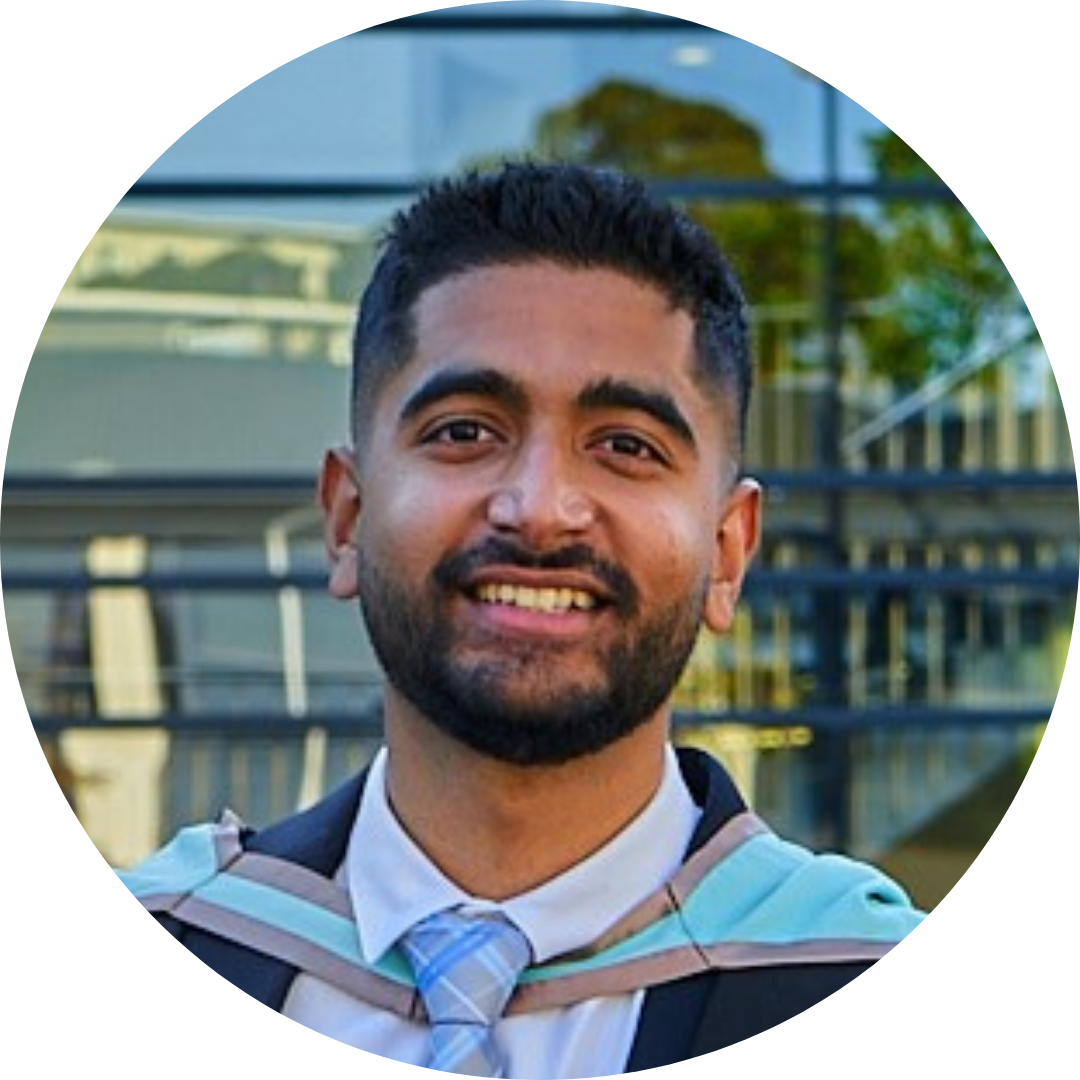
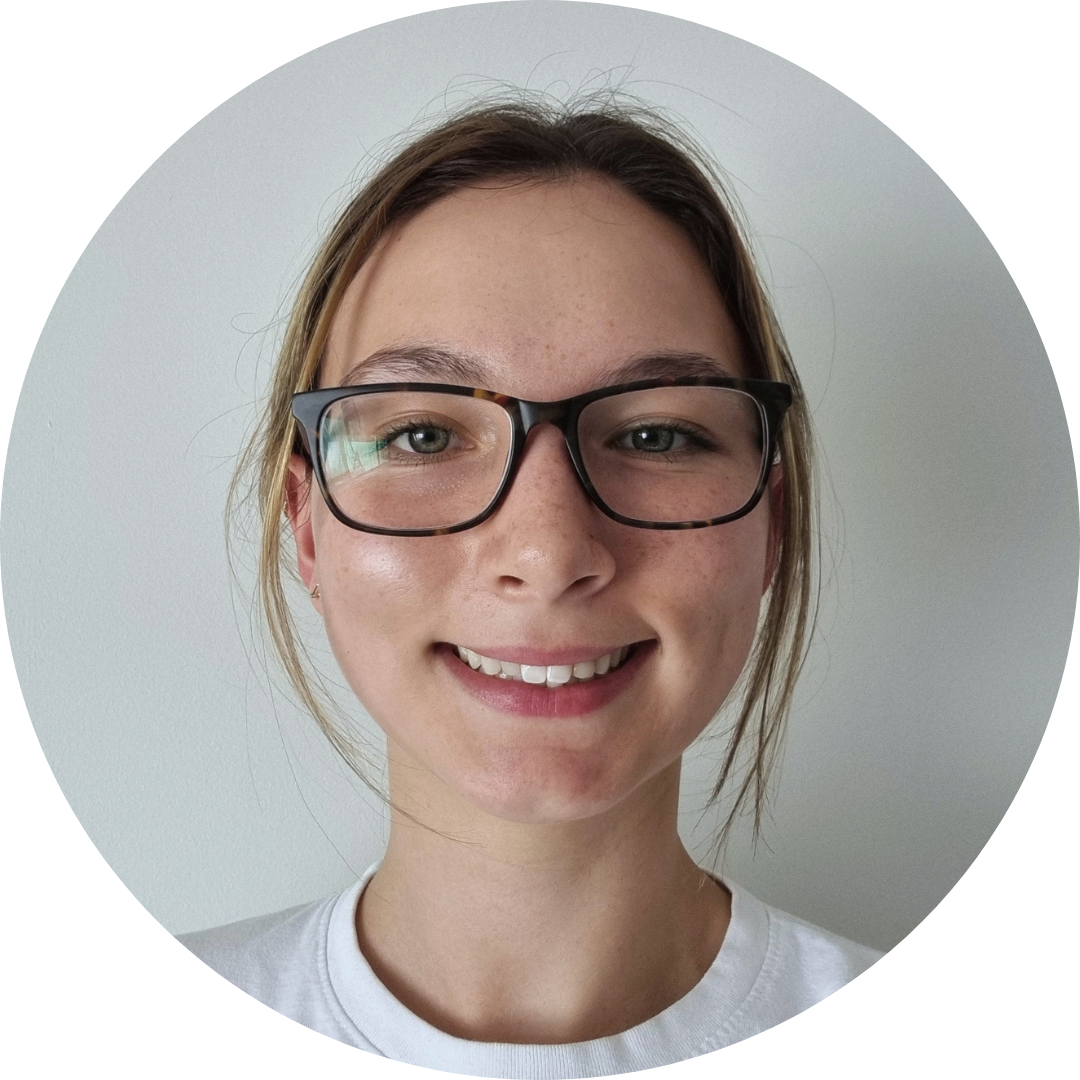

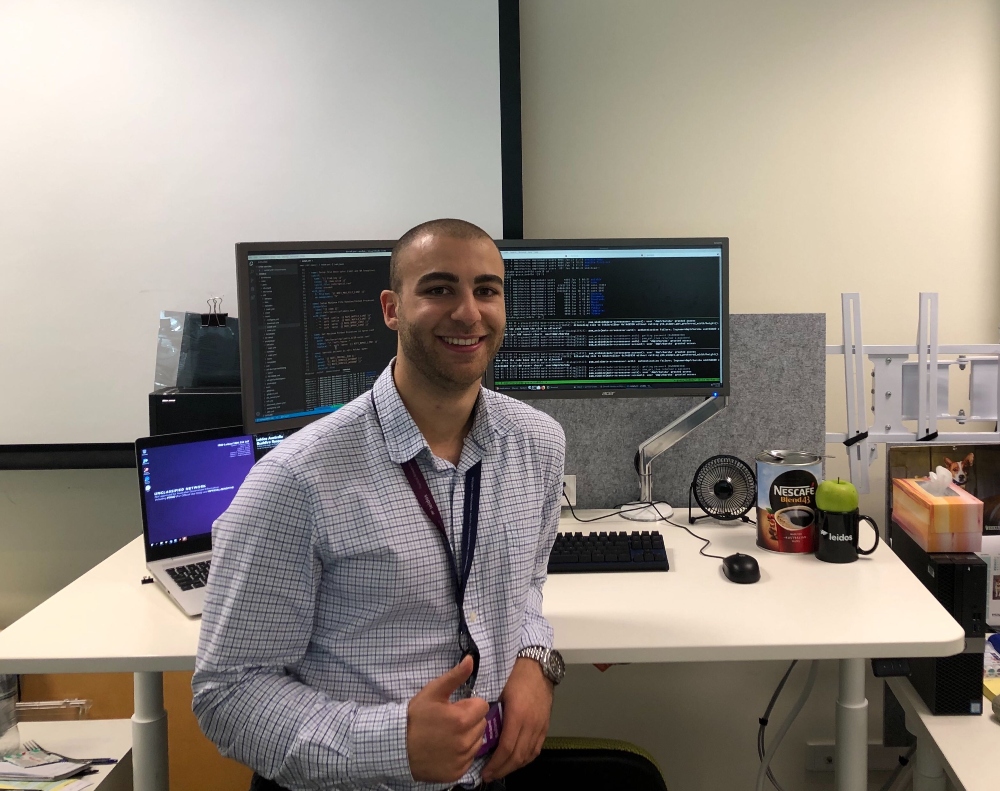
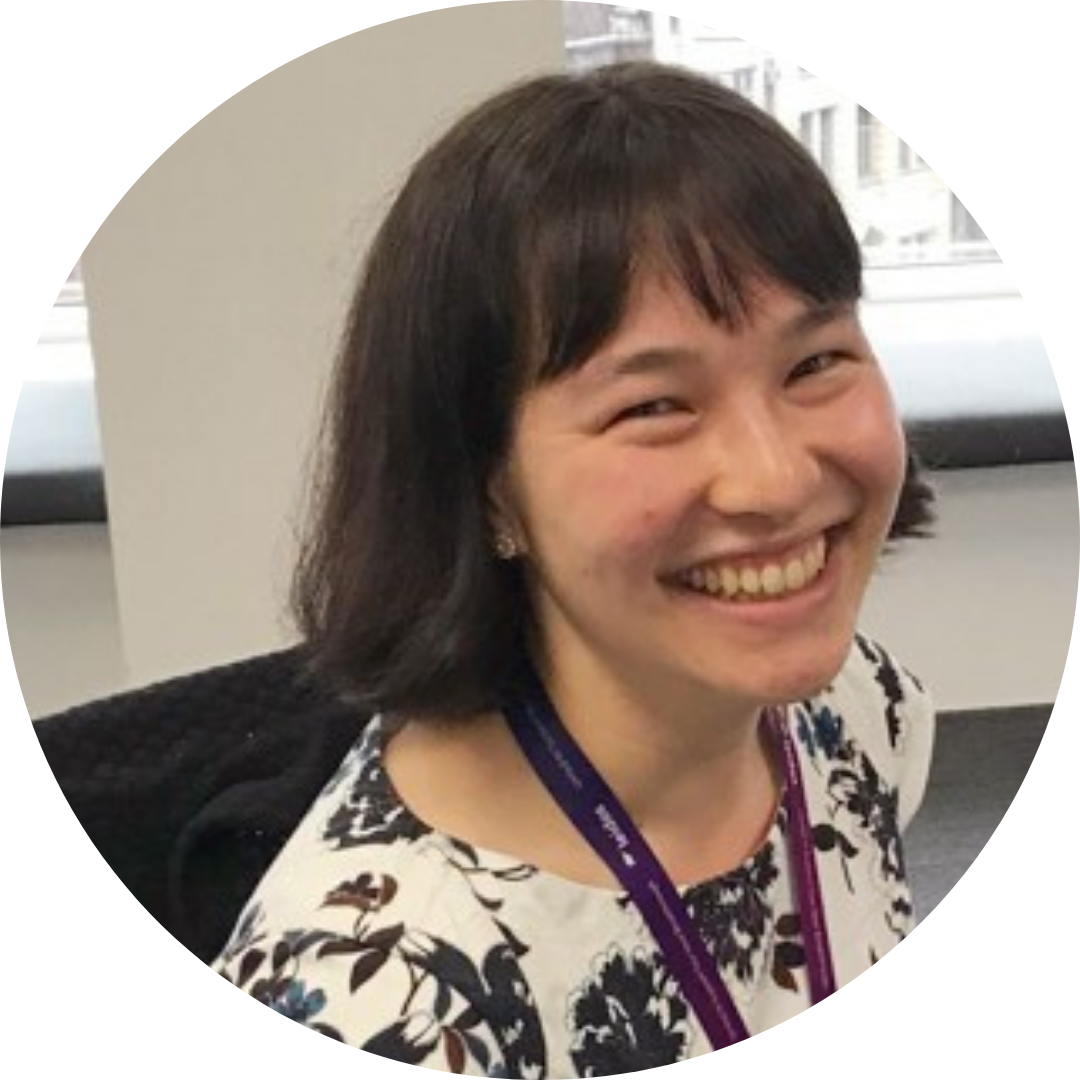
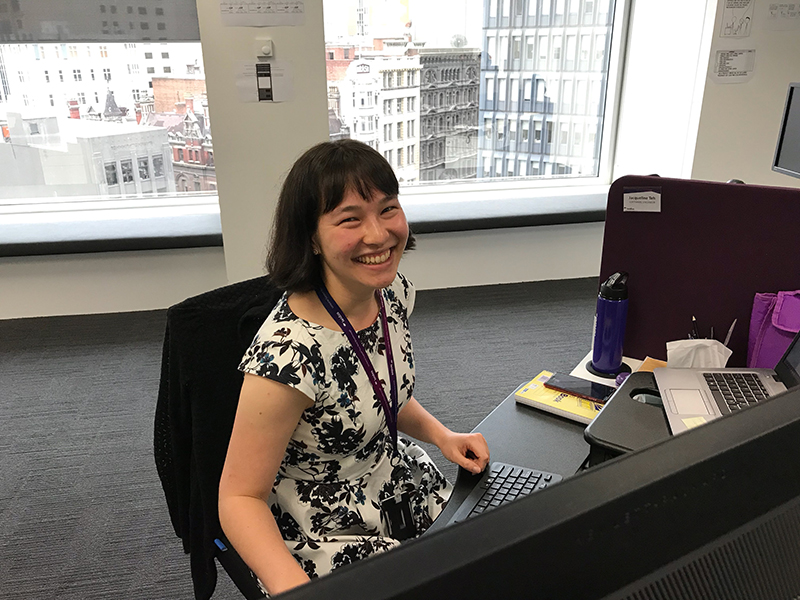
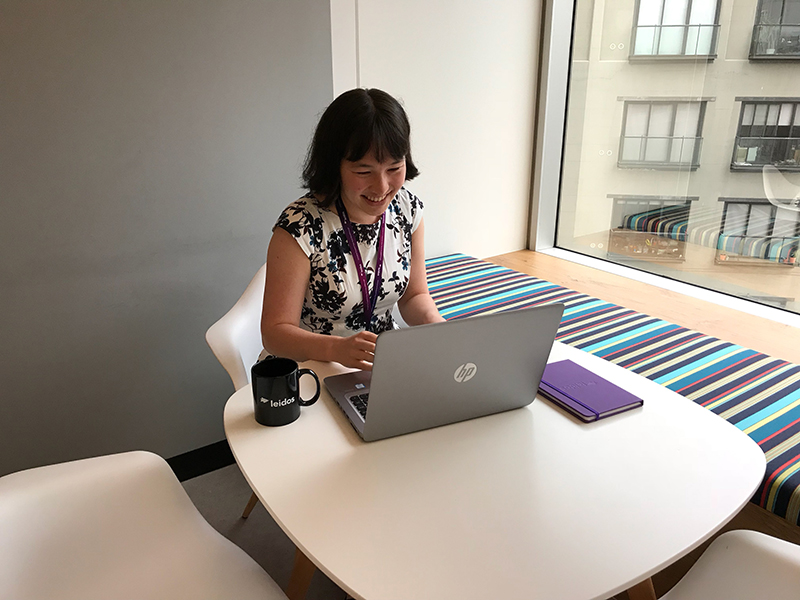

 Sandy Croft | BUSINESS RELATIONSHIP MANAGER
 Bronwyn Hampson | DELIVERY SERVICES TOWER MANAGER
 Mohini Sathe | Software Engineering Lead
 Dani Storey | Deputy Practice Lead Digital Modernisation